A dress is one of the most versatile categories of modern apparel, combining the upper and lower sections into a single garment. Unlike separates that require an individual top and bottom, a dress creates a complete outfit through one coordinated design. Its versatility, variety of silhouettes, and adaptability to different occasions have made it an enduring part of the global clothing market.
From casual everyday dresses to elegant eveningwear, dresses are available in a wide range of styles, fabrics, colors, and construction methods. Understanding dress types, fabric characteristics, and garment construction helps designers, clothing buyers, and apparel businesses make informed decisions when developing or sourcing dress collections.
What Defines a Dress?
A dress is a one-piece garment typically consisting of a bodice and a skirt section. Depending on its design, it may include sleeves, a defined waistline, a collar, a neckline, pockets, or decorative details. The overall construction determines how the garment fits, moves, and looks when worn.
Some dresses feature relaxed, straight silhouettes designed for everyday comfort, while others incorporate fitted bodices, shaped waistlines, pleats, darts, or panel seams to create a more structured appearance. The length, volume, and proportions of the skirt also influence the final silhouette.
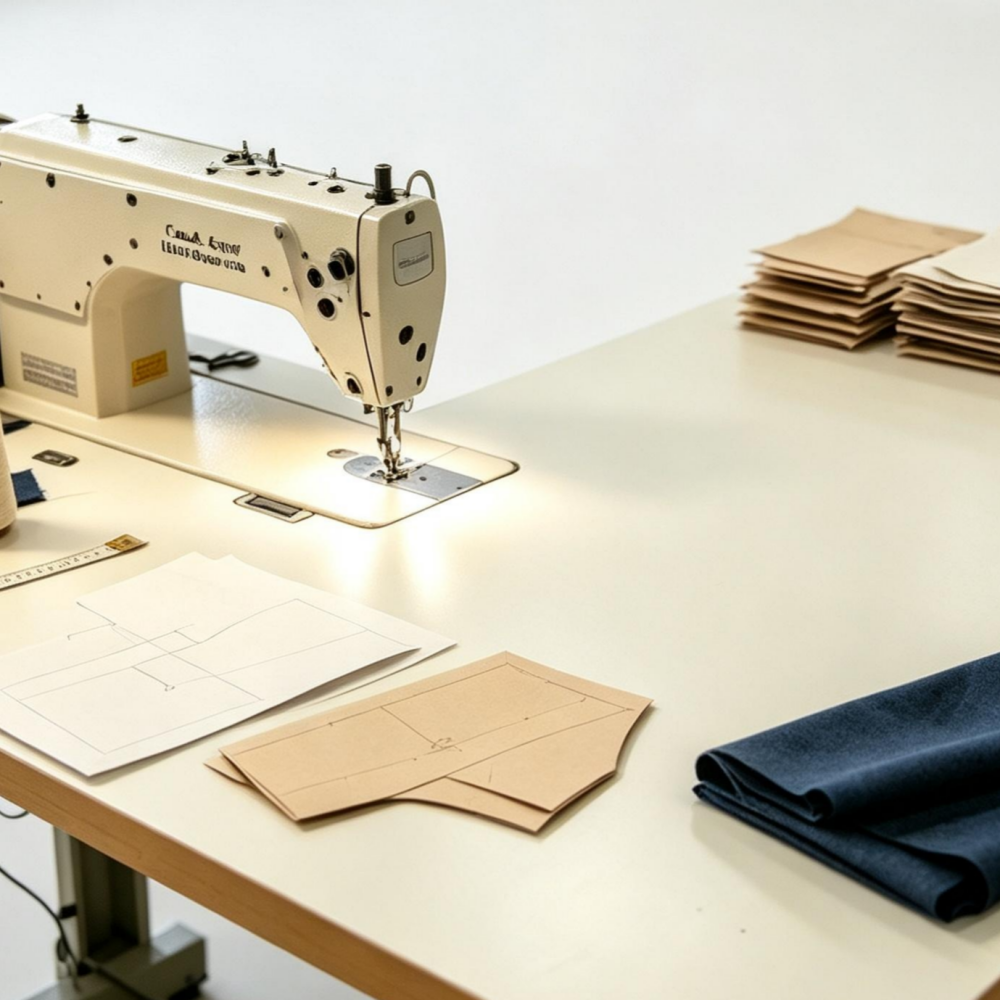
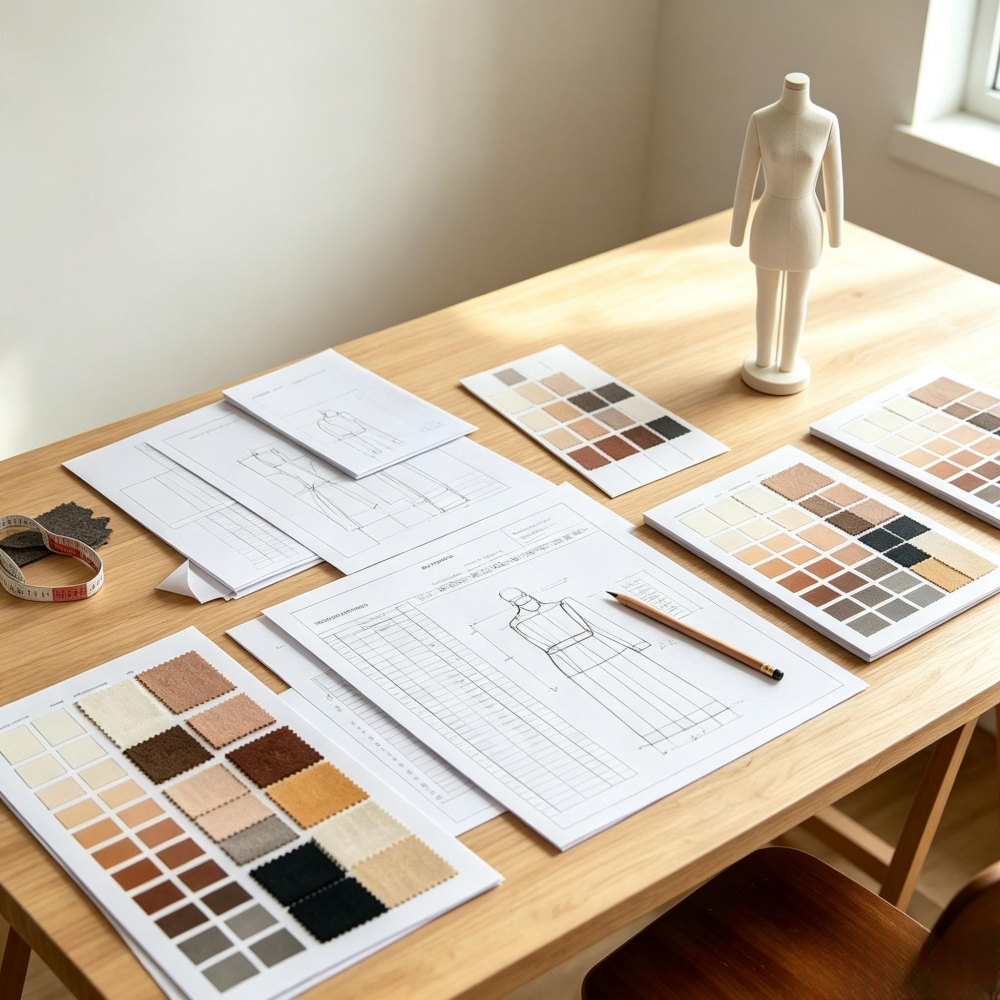
For apparel manufacturers, understanding these construction elements is essential when translating a design concept into a finished garment. Pattern development, fabric selection, sizing, and sewing techniques must work together to achieve the intended fit and appearance.
Popular Types of Dresses
Different dress styles serve different consumer preferences, fashion trends, and wearing occasions. Several widely used designs form the foundation of many apparel collections.
A-Line Dresses
A-line dresses gradually widen from the waist toward the hem, creating a silhouette resembling the letter A. This shape offers styling flexibility and allows relatively easy movement. Depending on the fabric and construction, A-line dresses can be developed for casualwear, officewear, or special occasions.
Shirt Dresses
Shirt dresses combine features of traditional shirts with the length and structure of a dress. Common details include collars, button fronts, cuffs, and waist belts. They can be made from cotton, poplin, linen blends, or other woven fabrics, making them suitable for casual and smart-casual collections.
Bodycon and Fitted Dresses
Fitted dresses follow the natural contours of the body and often use stretch fabrics to improve comfort and flexibility. Knit materials containing elastane are frequently considered for this style. Accurate measurements, fabric recovery, and seam construction are important factors in achieving the intended fit.
Slip Dresses
Slip dresses are generally characterized by simple silhouettes, narrow shoulder straps, and lightweight fabrics. Depending on the design, satin, silk, or other fluid materials can create a smooth drape and refined appearance. These dresses can be styled for eveningwear or incorporated into contemporary casual collections.
Maxi and Midi Dresses
Midi dresses typically fall between the knee and ankle, while maxi dresses generally extend toward the ankle or floor. Both lengths offer opportunities for different silhouettes, prints, sleeve designs, and fabric choices. Their final appearance depends on proportions, garment volume, and the intended occasion.
How to Choose the Right Dress Fabric
Fabric selection is one of the most important stages in dress design and development. The material affects comfort, drape, durability, appearance, sewing requirements, and the overall performance of the finished garment.
Cotton and Linen
Cotton is widely used in everyday dresses because of its softness, versatility, and breathability. It can be developed into lightweight summer dresses, casual shirt dresses, and structured designs. Linen is valued for its natural texture and airflow, making it a common option for warm-weather apparel.
Both materials require consideration of shrinkage, fabric weight, and finishing during product development.
Chiffon and Silk
Chiffon is a lightweight fabric often used for flowing dresses, layered skirts, and decorative sleeves. Its delicate structure requires suitable handling and sewing techniques. Silk offers a smooth surface and natural drape, making it an option for premium dress collections.
When working with lightweight fabrics, manufacturers must pay attention to seam finishing, transparency, lining requirements, and fabric stability.
Knit Fabrics
Jersey and other knit fabrics provide varying levels of stretch and flexibility. They are often used for casual dresses, T-shirt dresses, and comfortable fitted styles. Fabric composition, stretch percentage, and recovery should be evaluated together to help maintain shape and wearing comfort.
Denim and Structured Woven Fabrics
Denim and other structured woven materials can create dresses with more defined shapes. They are suitable for shirt dresses, utility-inspired designs, and casual collections. Fabric weight, seam strength, stitching, and garment wash requirements may influence the manufacturing process.
Key Elements of Dress Design and Construction
A successful dress design depends on more than its overall silhouette. Multiple construction details contribute to fit, appearance, and product quality.
Neckline and sleeves: Round necks, V-necks, square necklines, collars, and different sleeve lengths influence the garment’s style and coverage.
Bodice and waistline: Darts, seams, elastic panels, and waistbands help shape the upper section and determine how the dress fits around the body.
Skirt structure: Pleats, gathers, panels, and flare affect movement, volume, and the overall silhouette.
Closures and functional details: Zippers, buttons, hooks, and adjustable elements can improve usability while contributing to the design.
Finishing and workmanship: Stitch consistency, seam alignment, hem quality, and clean finishing all contribute to the final product.
During garment development, these details should be considered alongside the fabric’s properties and the intended size range. Clear technical specifications and accurate samples help ensure that the final garment reflects the original design.
What to Consider When Developing a Dress Collection
For clothing brands, retailers, and apparel buyers, developing a dress collection involves balancing design goals with manufacturing feasibility and market requirements.
First, define the target customer and intended use of each style. Everyday dresses, occasionwear, and workwear may require different fabric weights, construction methods, and functional details.
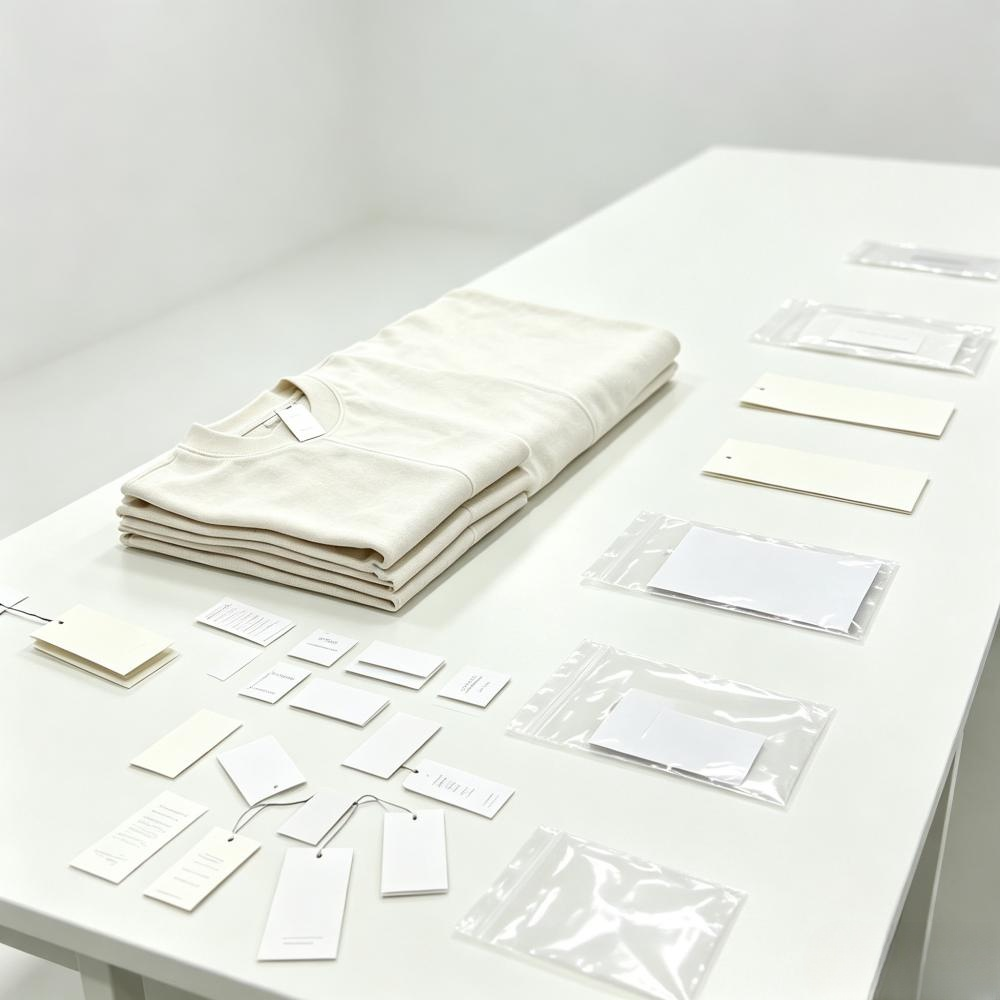
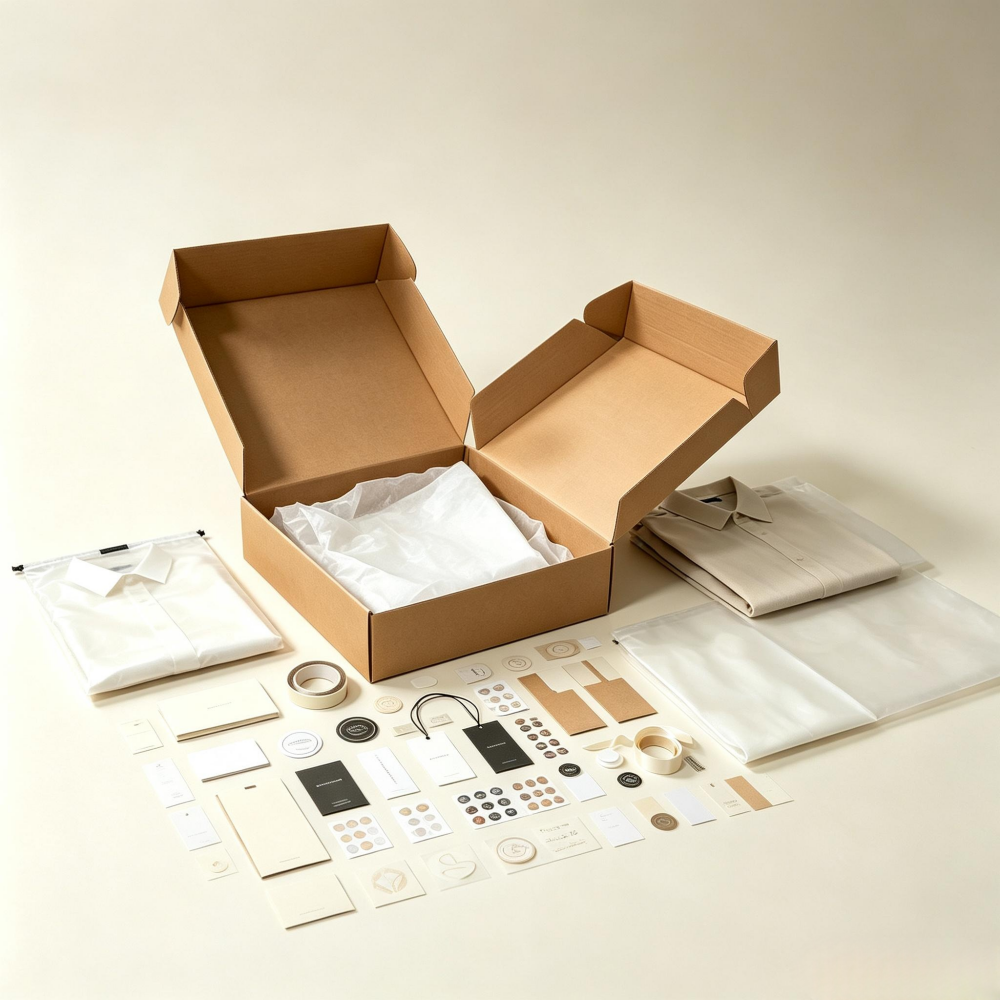
Next, establish the technical specifications. These may include fabric composition, color options, size measurements, garment length, trims, labels, and packaging requirements. A detailed tech pack helps communicate these requirements to the production team.
Sampling is another important stage. A prototype allows the fit, proportions, fabric behavior, and construction details to be evaluated before bulk production. Adjustments can then be made to improve consistency and align the sample with the intended product specifications.
Finally, quality control should cover relevant production stages, including fabric inspection, measurement checks, sewing workmanship, finishing, and final inspection. Establishing clear quality standards helps reduce avoidable defects and supports consistency across a collection.
Custom Dress Manufacturing for Apparel Brands
Working with an experienced apparel manufacturer can help businesses develop dress collections according to their design concepts and product requirements. Depending on the project, custom dress manufacturing may involve fabric sourcing, pattern development, sample making, size grading, bulk production, and customized labeling or packaging.
OEM manufacturing generally focuses on producing garments according to a buyer’s specifications, while ODM services may include additional design and product development support. The appropriate approach depends on the buyer’s existing designs, technical resources, order requirements, and development objectives.
When evaluating a manufacturing partner, apparel businesses should consider communication, sampling capabilities, production planning, quality management, and the ability to handle the required garment types. Clear specifications and consistent communication are essential for coordinating the process from initial concept to finished apparel.
At VEV Apparel, apparel development begins with understanding the product requirements and translating them into practical manufacturing specifications. For businesses planning a new clothing collection, defining the design, materials, sizing, and finishing requirements early can help create a more organized product development process.
Conclusion
A dress is a versatile one-piece garment that combines functional construction with a wide range of design possibilities. From A-line and shirt dresses to fitted, slip, midi, and maxi styles, each design offers different opportunities for fabric selection, silhouette development, and garment detailing.
For designers, clothing buyers, and apparel businesses, understanding dress fabrics, construction methods, and product development requirements is an important step toward creating garments that meet both aesthetic and practical expectations. With careful planning and the right manufacturing approach, dress concepts can be developed into consistent, well-constructed products for different markets and occasions.