

As active lifestyles become increasingly popular, sportswear has evolved from basic athletic clothing into a versatile apparel category that combines functionality, comfort, and contemporary fashion. Consumers now expect sportswear to support physical activities while offering attractive designs suitable for everyday wear. From workout tops and athletic leggings to coordinated sportswear sets, modern garments need to balance performance requirements with practical design elements.
For apparel manufacturers, developing successful sportswear involves more than creating visually appealing garments. Fabric selection, pattern development, garment construction, and production techniques all contribute to the final product. Understanding these factors helps manufacturers create sportswear that meets different activity requirements while maintaining consistent quality.
Functional Design for Different Sportswear Applications
Functionality is one of the most important considerations in sportswear design. Different physical activities require different levels of flexibility, support, and coverage. Therefore, garment structures and proportions need to be developed according to their intended applications.
For running and fitness training, sportswear should allow sufficient freedom of movement around the shoulders, arms, waist, and legs. Tops may incorporate flexible construction and lightweight materials, while leggings and athletic shorts need to provide a secure fit without restricting movement.
Sportswear sets also require careful coordination between individual garments. Matching tops and bottoms should maintain consistent fabric characteristics, color appearance, and overall design proportions. Well-planned garment construction helps improve practicality while creating a balanced and cohesive appearance.
Fabric Selection and Wearing Comfort
Fabric selection plays a major role in determining the comfort and performance of sportswear. Different materials offer different properties, including softness, elasticity, breathability, moisture management, and durability.
Polyester, nylon, spandex, and blended fabrics are commonly used in sportswear production. Stretch fabrics are particularly suitable for garments that require flexibility, while lightweight and breathable textiles can improve comfort during physical activities.
In addition to material composition, designers and manufacturers need to consider fabric weight, surface texture, stretch recovery, and color consistency. These characteristics influence how a garment fits, feels, and performs during regular use.
For sportswear designed for extended wear, seam placement and garment construction are equally important. Reducing unnecessary bulk and avoiding uncomfortable friction points can help create a more comfortable wearing experience.
Pattern Development and Modern Sportswear Construction
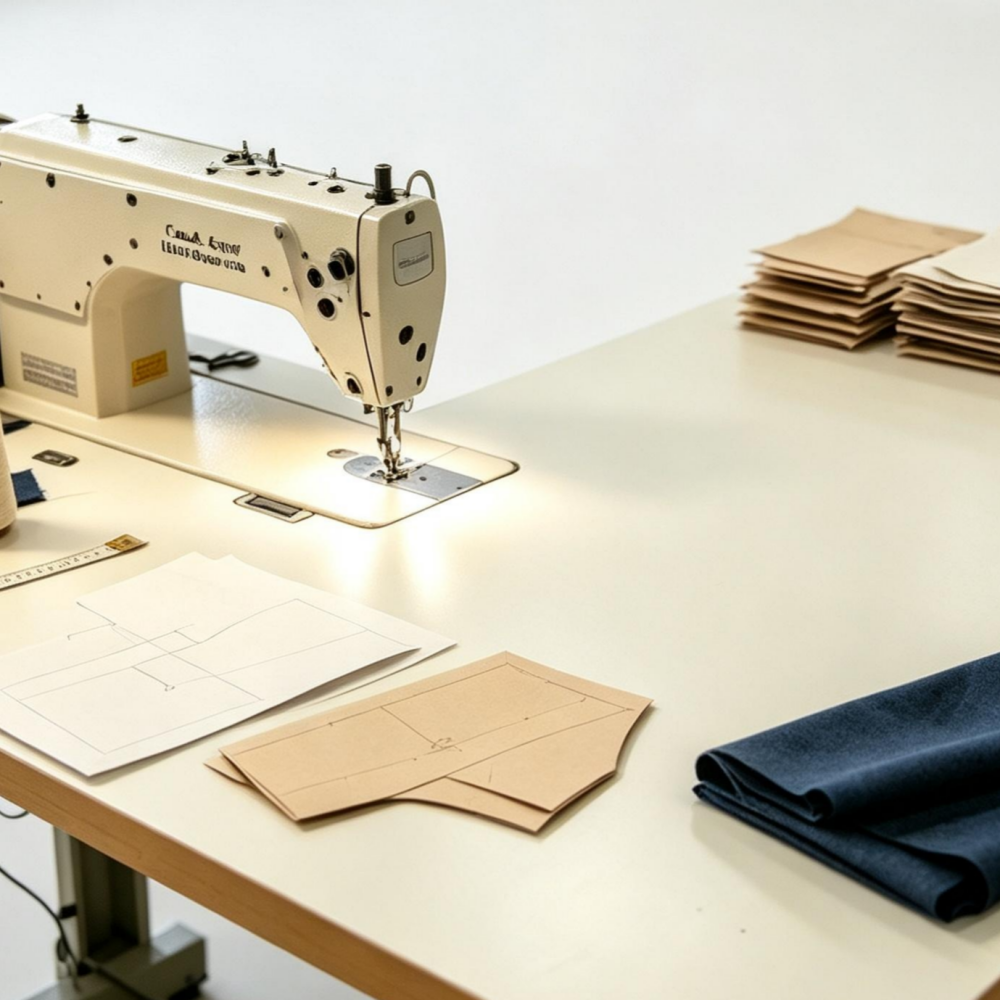
Pattern development connects the design concept with the actual garment structure. A well-developed pattern should consider body proportions, movement requirements, fabric characteristics, and the intended fit of the finished product.
For example, athletic tops may require carefully shaped armholes and shoulder panels to support upper-body movement. Sports leggings and shorts need appropriate waistband construction and sufficient flexibility around the hips and knees.
Garment panel placement, seam positioning, and silhouette development can also influence the visual appearance of sportswear. Clean lines and carefully designed panel combinations create a streamlined look while allowing manufacturers to incorporate functional construction details.
During production, accurate pattern grading and cutting are essential for maintaining consistent sizing across different garment sizes. Proper coordination between pattern development and manufacturing helps ensure that the finished products match the original design specifications.
Contemporary Style and Sportswear Design Trends
Modern sportswear increasingly combines athletic functionality with everyday fashion. Consumers are looking for garments that can transition naturally between workouts, casual activities, and daily routines.
Color combinations, fabric contrasts, panel designs, and subtle branding details are important elements in creating distinctive sportswear collections. Minimalist silhouettes provide a clean and versatile appearance, while color blocking and structural details can give garments a stronger visual identity.
Coordinated sportswear sets are also an important design direction. Matching tops, leggings, shorts, or jackets create a consistent appearance and provide consumers with convenient outfit combinations.
For apparel businesses, developing commercially appealing sportswear requires attention to both design consistency and manufacturing feasibility. Garment details should be carefully evaluated to ensure that the intended appearance can be achieved through practical production methods.
Sustainable Approaches to Sportswear Development
Sustainability is becoming an increasingly important consideration in modern apparel design and manufacturing. Sportswear developers are paying more attention to material sourcing, fabric utilization, product durability, and manufacturing efficiency.
Recycled polyester and recycled nylon are among the materials being explored for different sportswear applications. These alternatives provide additional material options for businesses looking to incorporate recycled textiles into their product collections.
Garment construction also influences sustainability. Efficient pattern layouts can help reduce fabric waste during cutting, while durable stitching and appropriate material selection can extend product lifespan.
Rather than focusing only on material choices, a more comprehensive approach considers the entire development and production process. Improving material utilization and maintaining consistent manufacturing quality can contribute to more responsible apparel production.
The Future of Sportswear Design and Manufacturing
Sportswear design continues to evolve as consumer preferences, textile technologies, and manufacturing methods develop. Future collections are expected to place greater emphasis on multifunctional garments, lightweight materials, ergonomic construction, and versatile styling.
Advances in digital pattern development and apparel production management are also creating opportunities for more accurate product development and efficient manufacturing workflows. These improvements help manufacturers manage different design specifications while maintaining consistent production standards.
For apparel businesses, successful sportswear development requires a close connection between creative design and practical manufacturing capabilities. Combining suitable fabrics, functional garment structures, and reliable production processes makes it possible to create products that meet both performance and everyday styling expectations.
At VEV Apparel, we support apparel businesses with garment development and manufacturing solutions, from fabric selection and design development to sample making and bulk production. Whether you are developing athletic tops, sports leggings, coordinated sportswear sets, or other activewear collections, we focus on translating product concepts into well-constructed garments that meet your specifications.
Choosing an experienced apparel manufacturing partner can help streamline product development, improve production consistency, and bring new sportswear collections to market with greater confidence.