

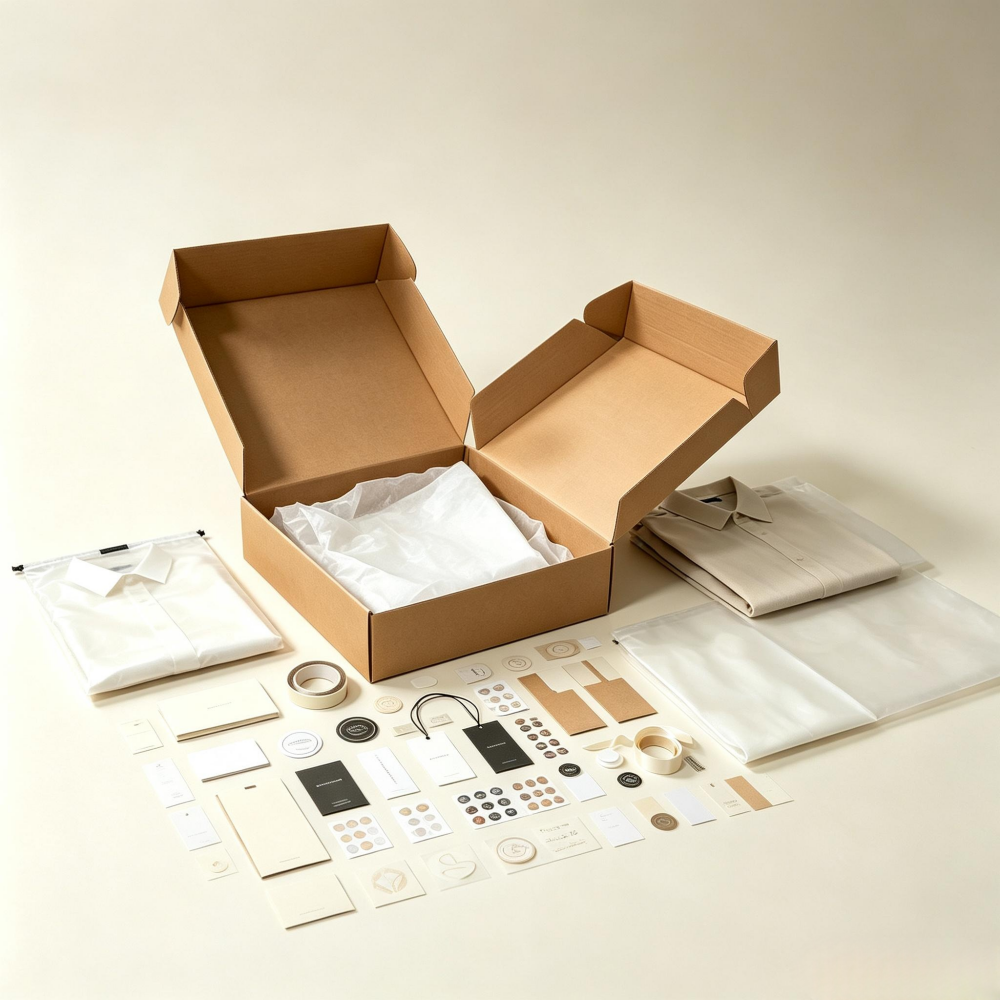
As sports and active lifestyles continue to evolve, sports jerseys have become an essential apparel category across professional athletics, school sports, recreational fitness, and everyday wear. Beyond their traditional role as team uniforms, modern sports jerseys are designed to deliver a balance of performance, comfort, durability, and visual appeal. For apparel manufacturers, meeting these diverse requirements involves careful consideration of fabric selection, garment construction, functional details, and production quality.
1. Diverse Applications of Sports Jerseys
Sports jerseys are widely used across different athletic activities, with each application requiring specific garment features.
In professional sports, including soccer, basketball, and volleyball, jerseys need to support continuous movement and demanding physical activity. Lightweight construction, breathable fabrics, and effective moisture management help athletes stay comfortable during intense competition. Flexible garment structures also allow players to run, jump, stretch, and change direction without unnecessary restriction.
School sports represent another important market for sports jersey manufacturing. Schools and athletic organizations often require coordinated team uniforms featuring specific colors, player numbers, and team logos. In addition to maintaining a consistent team appearance, these jerseys must withstand frequent use and washing while retaining their shape and color.
Sports jerseys are also increasingly popular in recreational fitness, running, gym workouts, and outdoor activities. Their lightweight materials and practical construction make them suitable for different exercise environments. Meanwhile, casual styling has expanded their use beyond sports, allowing consumers to incorporate athletic jerseys into everyday outfits.
2. Fabric Selection for Sports Jersey Manufacturing
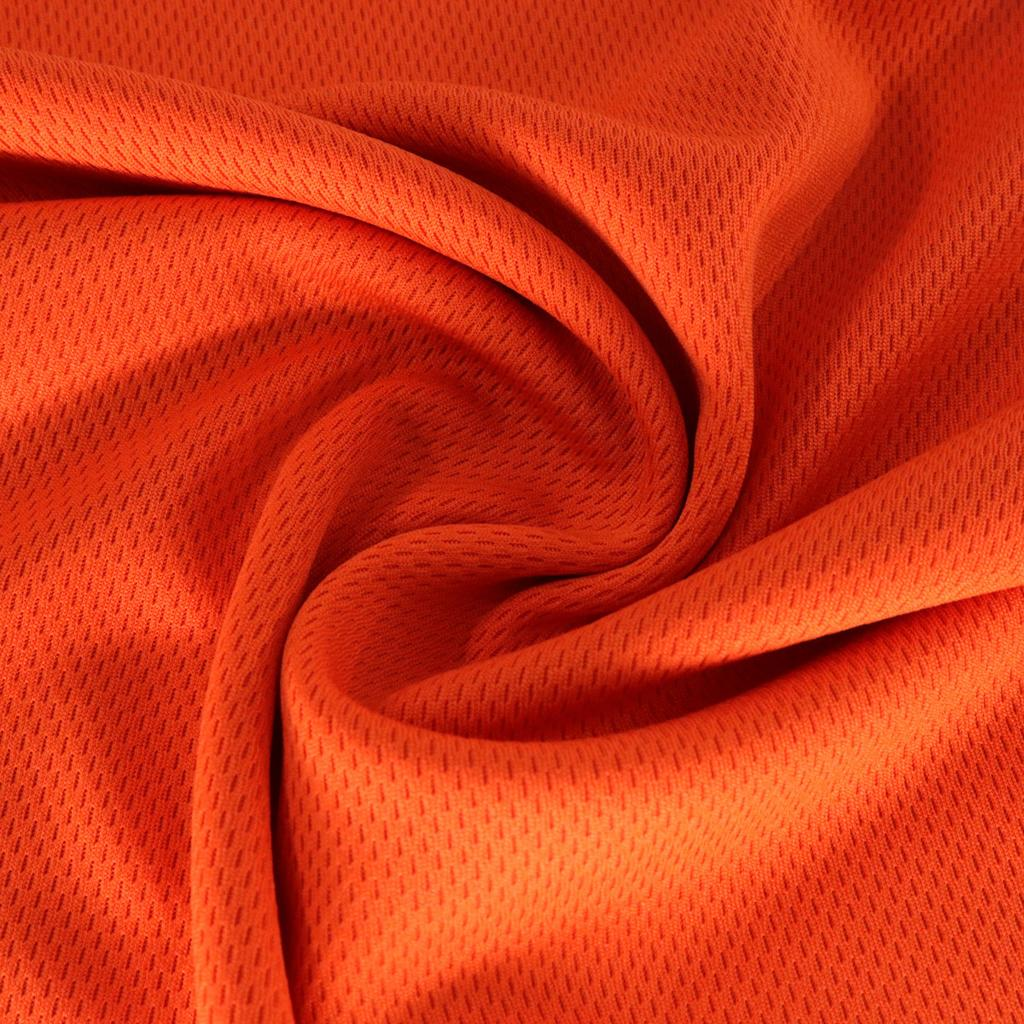
Fabric selection plays a major role in determining the performance and comfort of sports jerseys. Unlike conventional casual clothing, athletic garments must accommodate physical movement while managing heat and moisture during exercise.
Polyester is one of the most commonly used materials in sports jersey production because of its lightweight properties, durability, and relatively quick-drying performance. Polyester mesh fabrics are particularly suitable for sportswear applications because their open structures promote airflow and help improve ventilation.
Other fabric options may include polyester-spandex blends, which provide additional stretch and flexibility, as well as specialized performance fabrics designed for moisture management and enhanced comfort.
When selecting materials, manufacturers need to consider several factors, including fabric weight, breathability, elasticity, colorfastness, and resistance to repeated washing. The appropriate fabric combination helps ensure that finished jerseys meet both functional requirements and the intended design specifications.
3. Functional Design and Customization of Sports Jerseys
Modern sports jersey design combines practical performance features with distinctive visual elements. Different sports and customer requirements may call for variations in fit, neckline, sleeve construction, fabric panels, and decorative techniques.
Common design considerations include:
- Breathable Construction: Mesh panels and lightweight fabrics can improve airflow and help manage heat during physical activity.
- Moisture Management: Quick-drying materials help reduce discomfort caused by perspiration.
- Flexible Fit: Appropriate patterns and stretch materials support a wider range of body movements.
- Durable Construction: Reinforced stitching and suitable seam structures help improve garment durability.
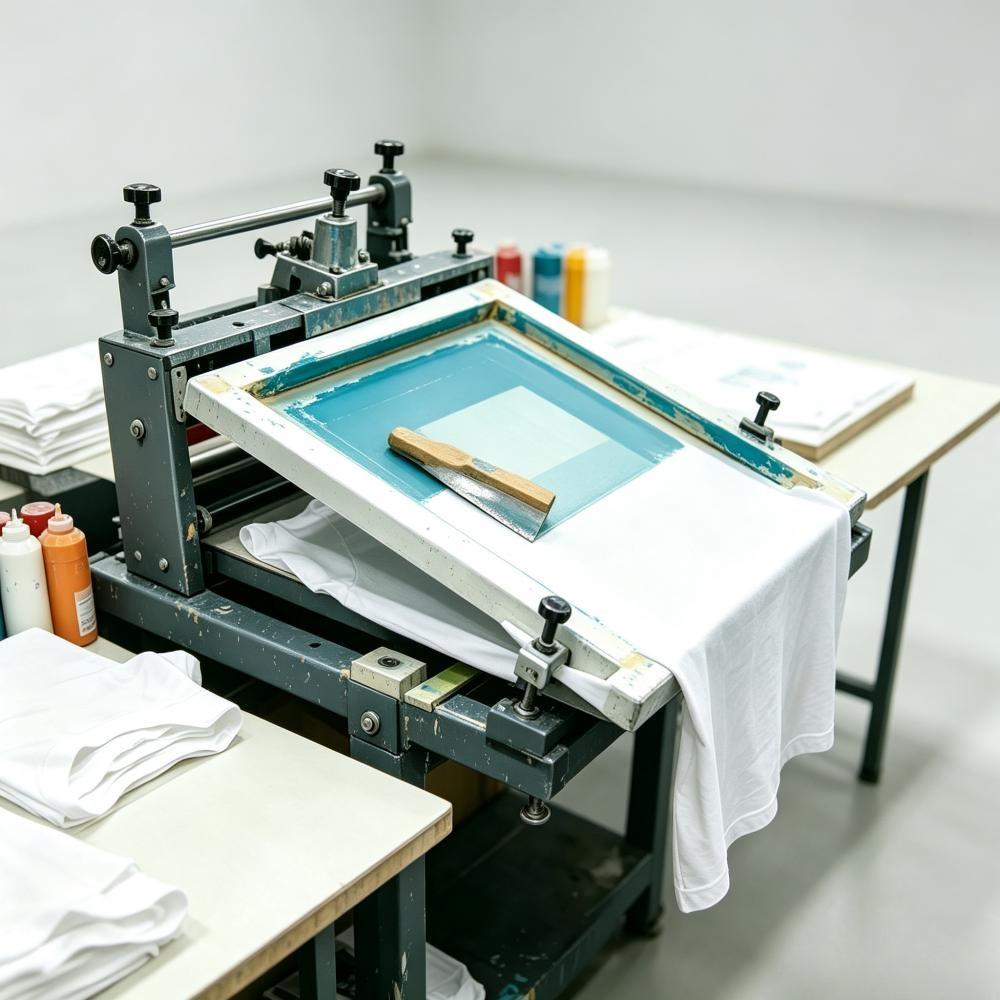
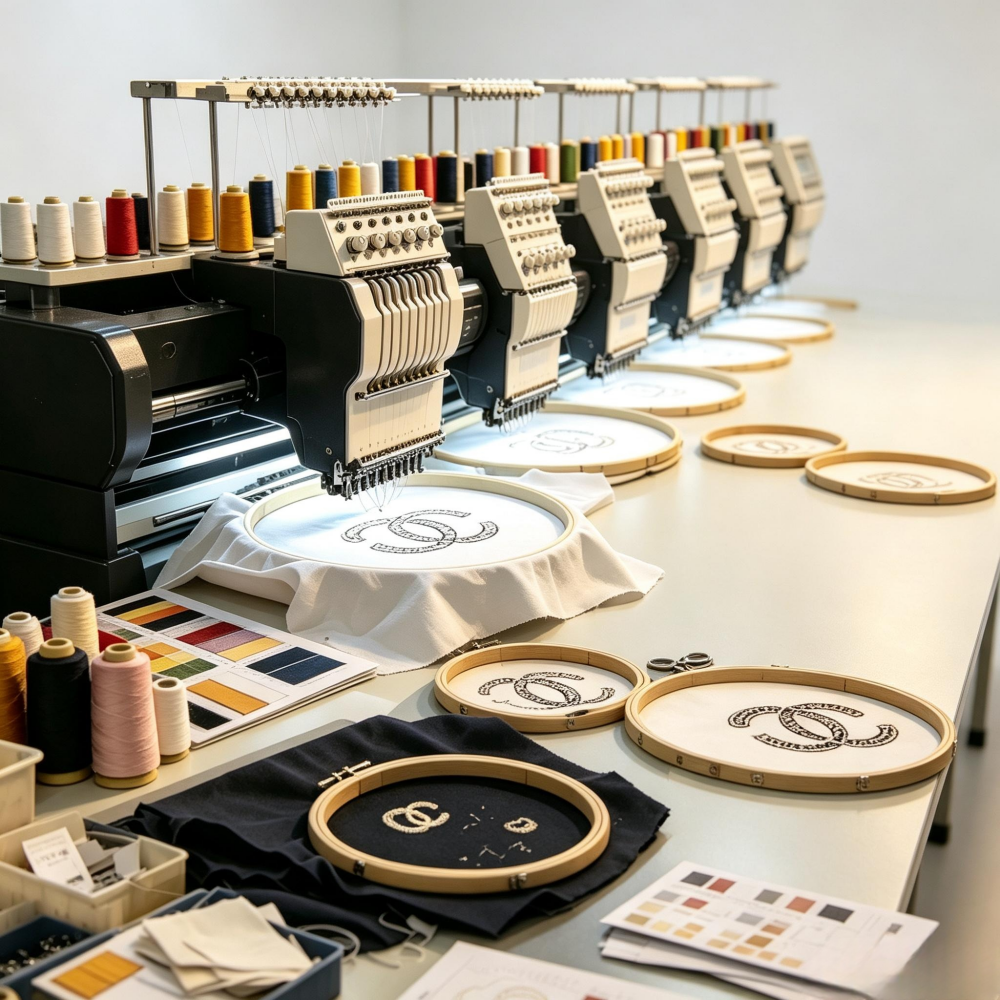
- Custom Graphics: Sublimation printing, screen printing, and embroidery can be used to create team logos, player numbers, and other visual details.
Customization is particularly important for sports teams, private labels, and apparel businesses. Manufacturers need to translate design concepts into production-ready specifications while maintaining consistency in colors, sizing, graphic placement, and finishing details.
4. Key Manufacturing Processes for Sports Jerseys
Producing high-quality sports jerseys requires coordinated manufacturing processes, from initial design development to final inspection.
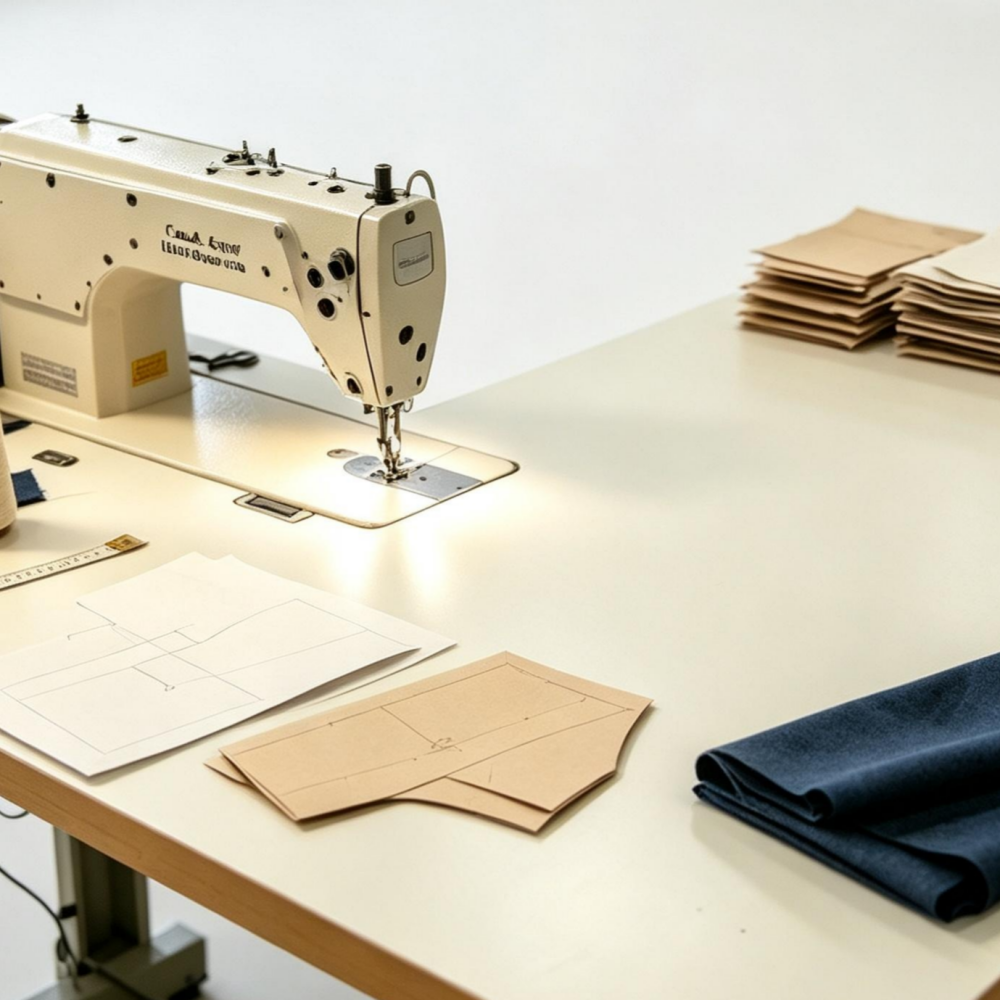
The process typically begins with design confirmation and fabric selection. Manufacturers review technical specifications, measurements, color requirements, artwork, and construction details before preparing patterns and samples.
Once the sample is approved, bulk production can proceed through several stages:
- Pattern Making: Developing garment patterns according to the required measurements, fit, and design structure.
- Fabric Cutting: Cutting materials accurately to minimize fabric waste and maintain consistent garment dimensions.
- Printing and Decoration: Applying logos, numbers, graphics, or other customized elements using suitable techniques.
- Sewing and Assembly: Joining fabric panels and completing necklines, sleeves, hems, and other garment components.
- Quality Inspection: Checking measurements, stitching, printing quality, fabric appearance, and overall workmanship.
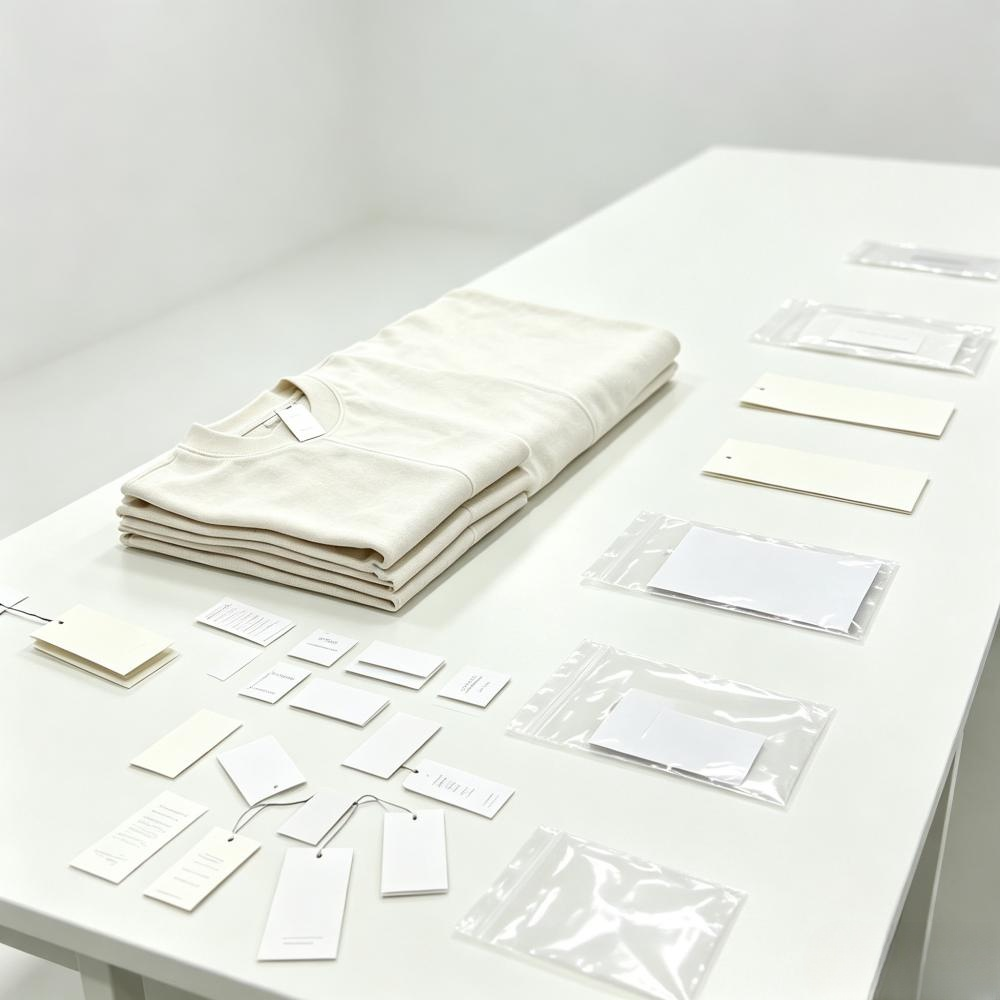
- Finishing and Packing: Completing loose-thread removal, garment folding, labeling, and packaging according to order requirements.
Maintaining quality control throughout these stages helps reduce production inconsistencies and ensures that finished sports jerseys meet the agreed specifications.
5. The Growing Demand for Versatile Sports Apparel
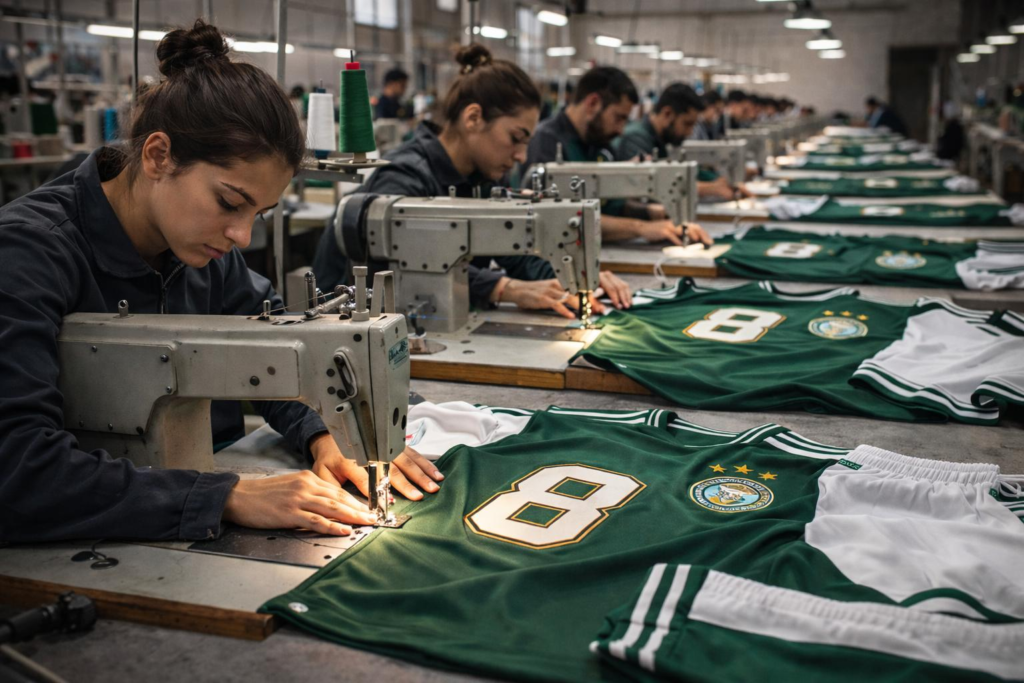
The sportswear market continues to expand as consumers seek clothing that combines athletic functionality with everyday practicality. Sports jerseys are benefiting from this trend because their adaptable designs can serve multiple purposes.
For sports organizations, customized jerseys help establish team identity and create a consistent appearance. For apparel retailers and private labels, they offer opportunities to develop collections with different colors, graphics, fits, and fabric options.
Manufacturing flexibility is therefore becoming increasingly important. Apparel suppliers need to accommodate different order quantities, customization requirements, fabric preferences, and product specifications while maintaining reliable production standards.
As fabric technologies and garment manufacturing techniques continue to advance, sports jerseys are expected to incorporate more functional materials, refined construction methods, and diverse design options.
6. Choosing a Reliable Sports Jersey Manufacturer
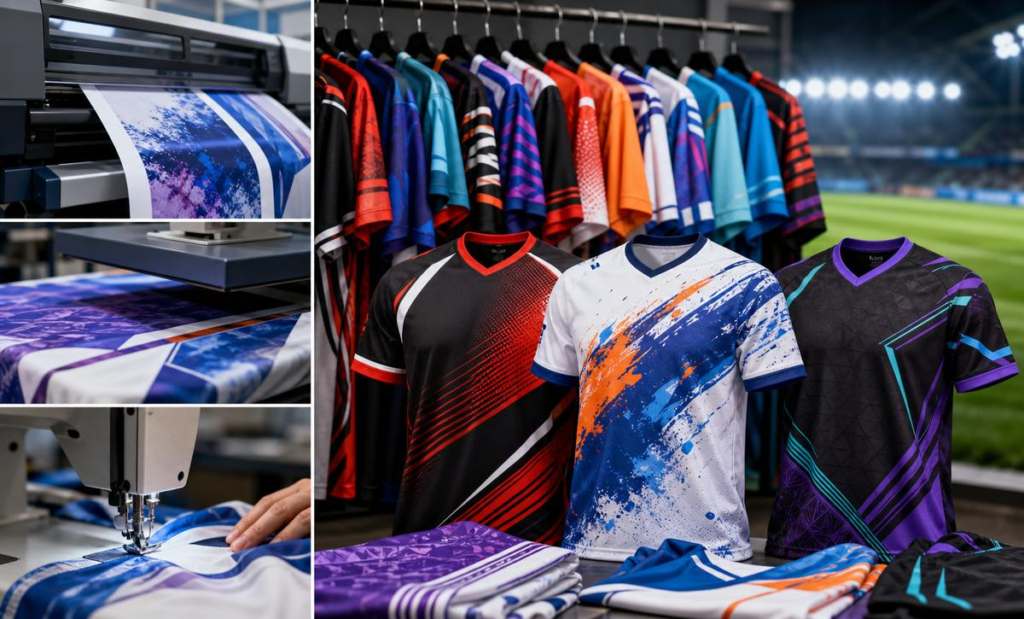
Selecting the right sports jersey manufacturer is an important consideration for businesses developing athletic apparel collections. Beyond competitive pricing, buyers should evaluate a manufacturer’s ability to handle fabric sourcing, pattern development, sample production, customization, bulk manufacturing, and quality inspection.
A reliable manufacturing partner should be able to understand technical requirements, recommend suitable materials, and maintain consistent production quality across different orders.
At VEV Apparel, we focus on providing OEM and ODM apparel manufacturing solutions for businesses seeking customized clothing production. From design development and fabric selection to sampling, bulk production, and final quality inspection, we work to support different apparel projects with practical manufacturing solutions.
Whether you are developing customized sports jerseys, expanding an existing sportswear collection, or creating a private label apparel line, working with an experienced apparel manufacturing partner can help turn your product concepts into finished garments.