
Skirt design continues to evolve as fashion adapts to changing lifestyles, consumer expectations, and creative influences. From relaxed everyday pieces to structured statement garments, skirts offer designers numerous opportunities to explore shape, texture, and individual expression. However, creating a successful design requires more than an appealing appearance. Comfort, functionality, material performance, and construction quality must work together to produce garments that are both attractive and practical.
For apparel manufacturers and fashion businesses, understanding these design principles is an important part of developing collections that respond to market needs. By combining thoughtful design decisions with suitable materials and reliable production techniques, it becomes possible to create skirts that maintain a clear visual identity while meeting everyday wearing requirements.
1. Designing for Comfort and Everyday Movement
Comfort is a fundamental element of effective skirt design. A garment should allow the wearer to move naturally without unnecessary restriction, whether it is intended for daily activities, professional environments, or special occasions.
Several construction details influence how a skirt feels during wear. Waistband width, fastening placement, hip ease, and overall garment length can all affect comfort and fit. For example, elasticated waistbands may be suitable for relaxed styles, while structured waistbands can provide a more tailored appearance when developed with appropriate measurements and construction.
Movement should also be considered during pattern development. Skirts with narrow silhouettes may require carefully positioned slits or additional ease, while fuller designs depend on balanced proportions and sufficient fabric volume. The goal is to ensure that the garment functions as intended without compromising its original design concept.
Fabric properties contribute equally to wearing comfort. Softness, breathability, flexibility, and weight should be evaluated according to the garment’s purpose. Considering these factors early in the development process helps designers create products that offer a better balance between appearance and practicality.
2. Using Silhouette to Establish Design Identity
The silhouette is one of the defining elements of skirt design. It influences the overall proportions of a garment and helps establish whether a style appears casual, minimalist, elegant, or fashion-forward.
A-line skirts offer a balanced shape that can be adapted to different lengths and fabrics. Straight skirts create a cleaner outline and are often associated with contemporary or tailored collections. Pleated designs introduce movement and texture, while gathered skirts create additional volume through controlled fabric fullness. Asymmetrical hems and panelled constructions provide further opportunities for distinctive designs.
Each silhouette requires a different approach to pattern making and material selection. A lightweight fabric may emphasize fluid movement in a flowing skirt, whereas a firmer material can help maintain the structure of a more defined shape. Pleats and gathers also need to be developed in proportion to the fabric’s weight and drape.
For apparel businesses, combining several silhouettes within one collection can create product variety while maintaining a consistent design direction. The most effective approach is to select shapes that reflect the target market, intended use, and overall identity of the collection.
3. Choosing Fabrics That Support the Design Concept
Fabric selection plays a major role in translating a design idea into a finished garment. Different materials produce different visual effects and performance characteristics, so the selected fabric should complement both the silhouette and the intended wearing environment.
Cotton is commonly used for casual skirts because of its comfortable feel and versatility. Linen offers a distinctive natural texture and is often associated with warm-weather clothing. Denim provides a more substantial structure for everyday styles, while chiffon and other lightweight materials can create softer, flowing shapes. Polyester and blended fabrics offer additional possibilities depending on their weight, weave, finish, and performance requirements.
Designers should look beyond color and surface appearance when evaluating materials. Fabric weight, stretch, opacity, shrinkage, colorfastness, and resistance to wear can all influence the finished product. The relationship between the material and the construction method is equally important.
For example, lightweight fabrics may require careful seam finishing or lining, while heavier materials can require adjustments to stitching, hems, and waistband construction. Testing fabric samples before final approval helps identify potential challenges and reduces the risk of unexpected changes during production.
4. Integrating Functionality Into Modern Skirt Design
Modern garment design increasingly considers how clothing performs in everyday situations. Functional features can improve usability while contributing to the overall aesthetic of a skirt.
Pockets are a practical example. Their size, placement, and construction should be suitable for the garment without creating unwanted bulk or disrupting the silhouette. Adjustable waist details can improve flexibility, while well-positioned zippers and buttons support convenient dressing. Slits, overlapping panels, and carefully shaped hems can also help improve mobility.
These elements should be integrated into the design rather than added without considering the overall proportions. A pocket may need reinforcement depending on its intended use, while a decorative button or belt loop should be positioned consistently with the approved specifications.
Functionality also includes garment care and durability. Material selection, seam construction, fastening quality, and finishing methods all influence how a skirt performs after repeated wear and washing.
By considering these practical requirements during the design stage, apparel developers can create garments that are visually appealing without overlooking the needs of the end user.
5. Exploring Color, Texture, and Decorative Details
Color and surface design help establish the mood and identity of a skirt collection. Neutral shades can support timeless, versatile products, while seasonal colors, prints, and contrasting details create more distinctive visual statements.
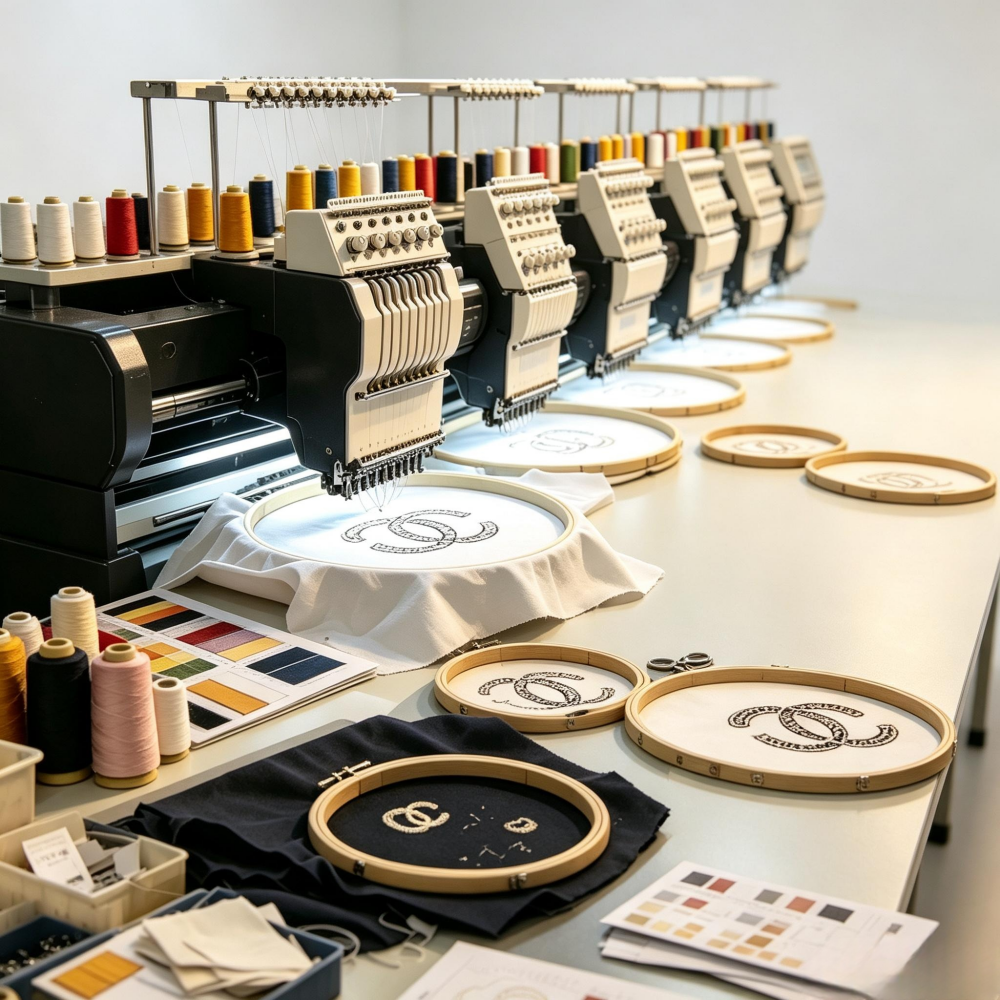
Texture adds another dimension to the design. Denim surfaces, linen textures, fine pleats, embroidered elements, and contrast stitching can change the character of a garment even when the basic silhouette remains simple.
Decorative details should be selected according to the intended design direction. Buttons, belts, trims, stitching, and panel combinations can reinforce a particular aesthetic, but excessive decoration may compete with the silhouette or increase production complexity.
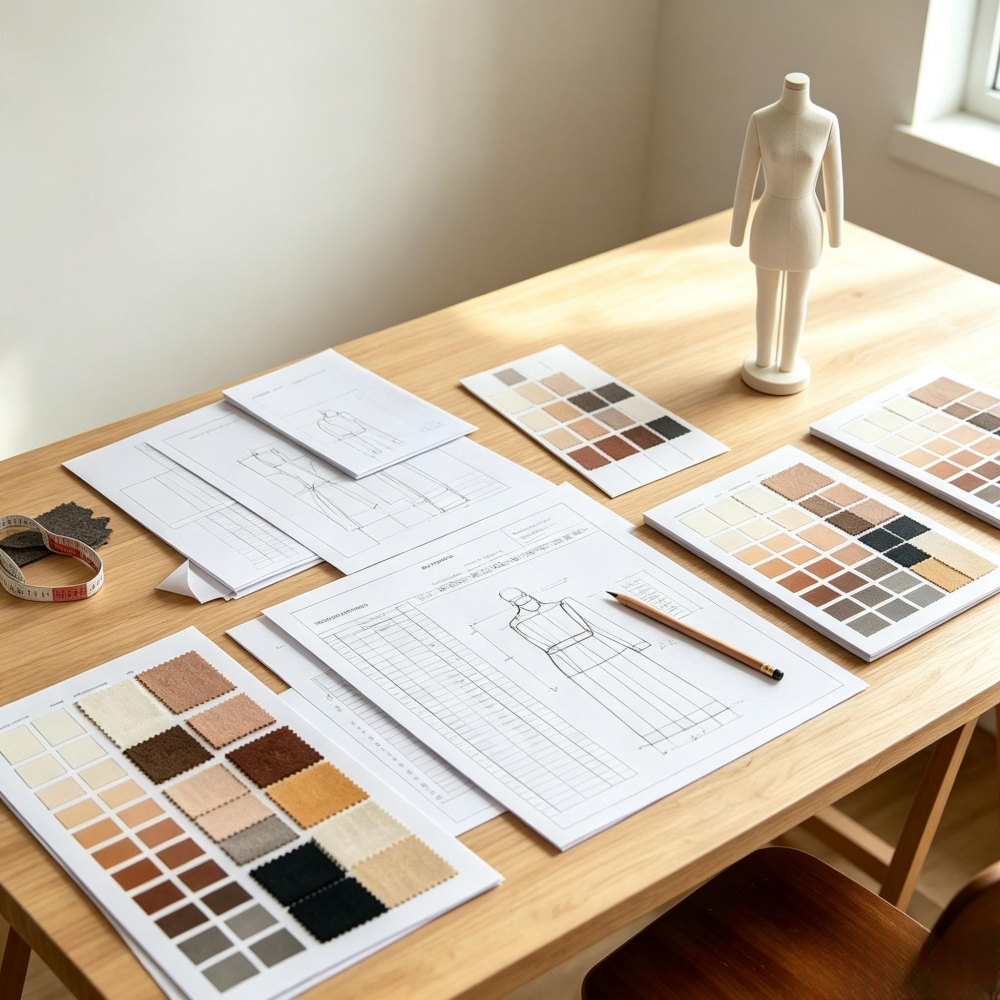
Consistency is especially important when developing coordinated collections. Colors, trims, fabric finishes, and decorative elements should work together across different products. For manufacturing purposes, clear color references, material specifications, and placement instructions help communicate the design accurately during sampling and bulk production.
A balanced approach allows designers to introduce creativity while maintaining practicality, visual coherence, and production feasibility.
6. Connecting Design Development With Manufacturing Quality
A strong design concept must be supported by a practical development and manufacturing process. Even a well-planned skirt can produce inconsistent results if pattern specifications, material requirements, and construction details are not clearly communicated.
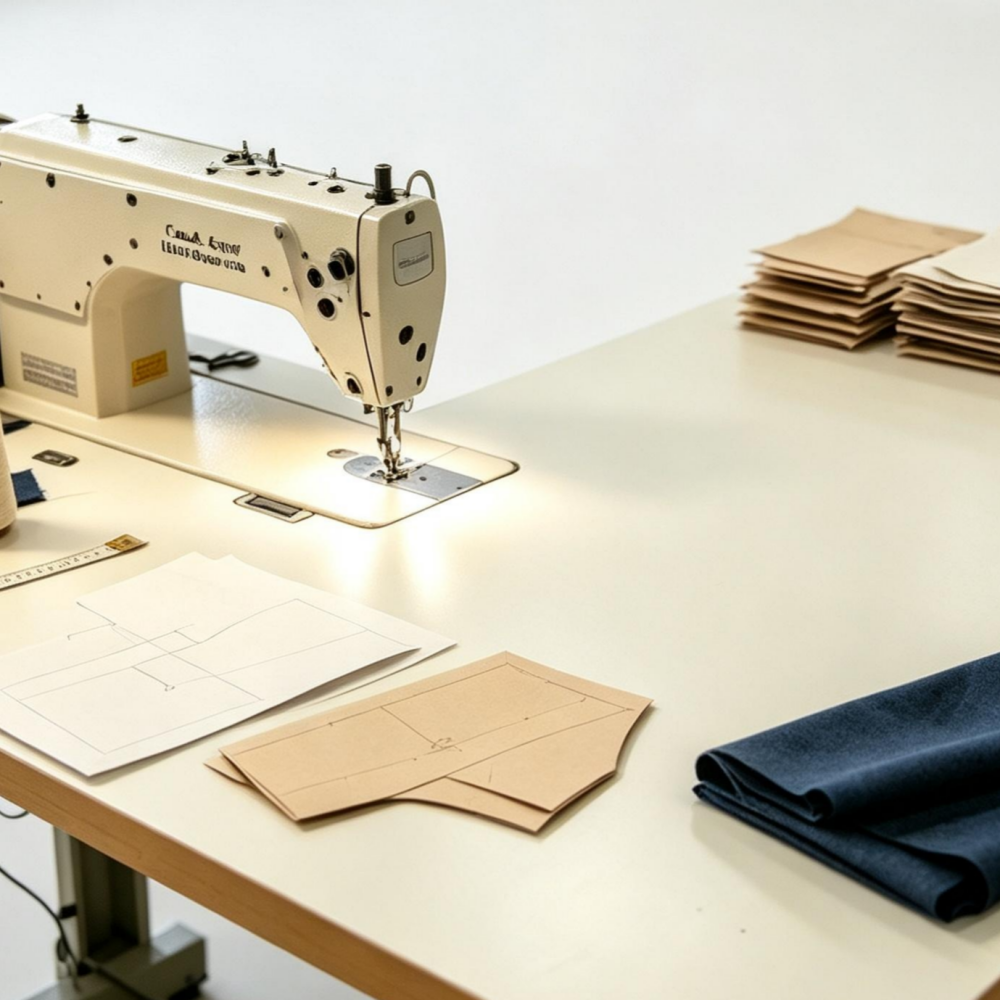
The development process typically involves reviewing design references, selecting suitable fabrics, preparing patterns, creating samples, and evaluating fit and workmanship. Sample revisions provide an opportunity to adjust measurements, refine proportions, and confirm details before production approval.
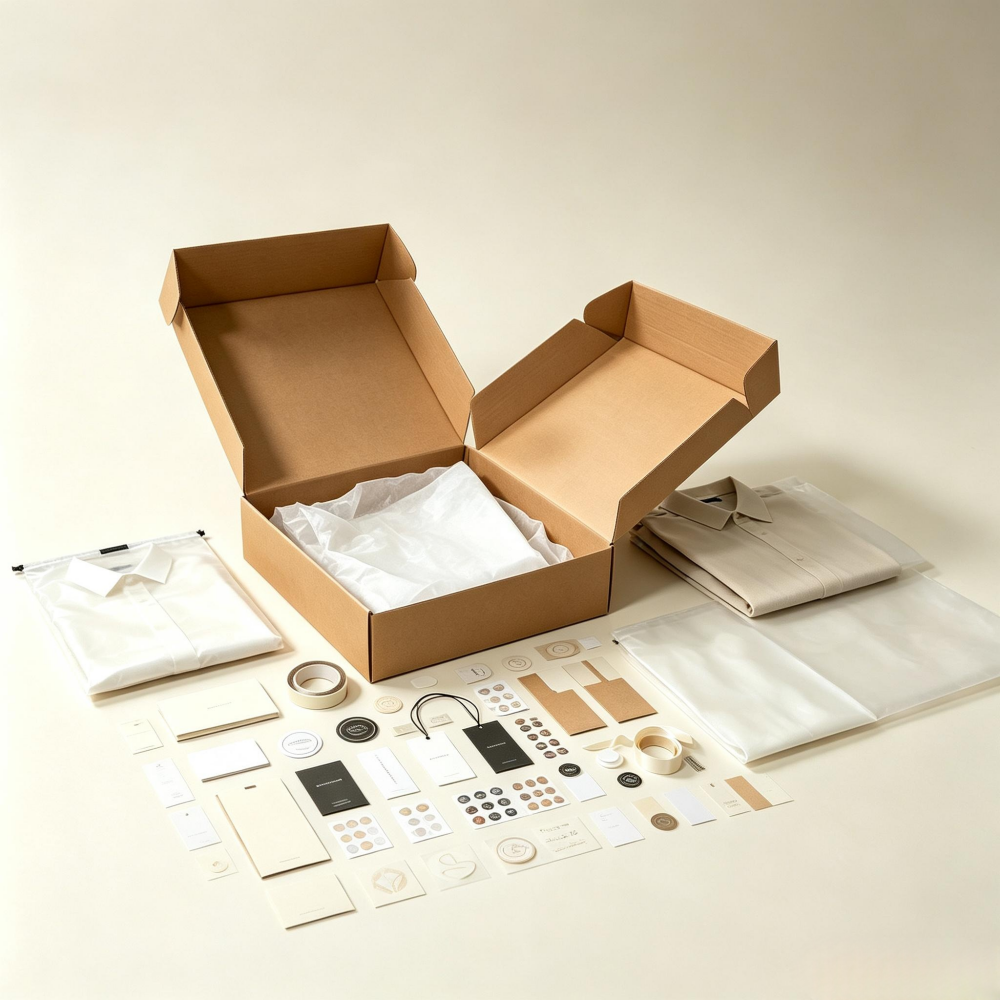
Once the design is finalized, a detailed technical package can help guide manufacturing. Important information may include garment measurements, grading specifications, fabric composition, color references, seam requirements, trims, labels, and packaging instructions.
Quality control should reflect the characteristics of the specific garment. Measurement checks, seam inspections, fastening tests, and assessments of overall appearance can help identify production issues. Where relevant, fabric shrinkage and colorfastness testing may also be included according to buyer requirements.
For apparel manufacturers, close coordination between design, sampling, production, and inspection teams is essential to maintaining consistency between the approved sample and finished garments.
7. Developing Skirt Collections for Changing Consumer Needs
Successful skirt collections combine a recognizable design direction with the flexibility to address different consumer preferences. Some markets may favor simple everyday silhouettes, while others may place greater emphasis on statement details, distinctive textures, or seasonal styling.
Understanding the target customer helps guide decisions about garment length, fabric weight, color range, sizing, and functional features. It also helps determine which design elements should remain consistent across a collection and which can be adapted to create product variety.
From a manufacturing perspective, early planning can improve coordination between material sourcing, sample development, production scheduling, and quality requirements. Clear specifications and realistic development timelines also help reduce unnecessary revisions.
For brands planning new womenswear collections, collaboration with an experienced apparel manufacturing partner can support the transition from initial concepts to production-ready garments. Effective communication throughout this process helps align design expectations with material availability, construction methods, and production requirements.
Conclusion
Modern skirt design is built on the relationship between aesthetics, comfort, functionality, and manufacturing quality. Silhouette establishes the visual direction, fabric determines much of the garment’s character, and construction details influence fit, durability, and everyday usability.
For fashion businesses, these considerations extend beyond the design stage. Careful material selection, accurate pattern development, structured sampling, and consistent quality control help turn creative ideas into commercially practical products.
By approaching skirt design as a combination of creative development and technical execution, apparel businesses can build collections that reflect their design identity while meeting the practical expectations of today’s clothing market.