A well-designed skirt combines visual appeal, comfort, and practical construction. From everyday casualwear to office clothing and occasion wear, different skirt styles serve different purposes. However, selecting the right skirt involves more than choosing an attractive silhouette. Fabric performance, pattern proportions, garment construction, and intended use all influence the final result.
For clothing brands and apparel buyers, understanding these factors is particularly important when developing a skirt collection. The right combination of design and materials can improve wearability, support consistent product quality, and create garments that meet the expectations of the target market.
1. Understand Different Skirt Styles and Silhouettes
The silhouette establishes the overall shape of a skirt and influences how it moves, fits, and coordinates with other garments. Understanding the characteristics of different skirt styles helps shoppers and apparel developers make more informed design decisions.
An A-line skirt gradually widens from the waist toward the hem, creating a balanced shape suitable for casualwear, workwear, and seasonal collections. Straight skirts offer a more structured appearance and are frequently used in minimalist and professional designs. Pleated skirts introduce texture and movement, while wrap skirts provide an adjustable appearance with a distinctive overlapping front.
Full skirts create volume through wider pattern shapes or gathered fabric, whereas pencil skirts follow a narrower silhouette for a more tailored look. Each option requires different pattern considerations, fabric properties, and construction techniques.
When developing a skirt collection, designers should consider how the silhouette aligns with the intended customer, price positioning, and overall collection concept. A cohesive range can combine classic shapes with more distinctive designs to address different styling preferences.
2. Select the Right Fabric for the Intended Use
Fabric selection is one of the most important stages in skirt design. The material affects drape, structure, breathability, durability, opacity, and the way the finished garment maintains its shape.
Cotton fabrics are widely used in casual skirts because they offer a comfortable feel and versatile styling possibilities. Denim is suitable for more structured everyday designs, while polyester and blended fabrics can provide useful options for shape retention, durability, and easier care, depending on their specific construction.
Chiffon and other lightweight woven fabrics are often selected for flowing skirts and layered designs. Knit fabrics offer stretch and flexibility, making them useful for fitted or comfort-focused styles. Satin and similar smooth-surface fabrics can create a more refined appearance for occasionwear.
Fabric choice should also reflect seasonality. Lightweight materials may be appropriate for spring and summer collections, while heavier fabrics and selected blends can support autumn and winter designs.
Before confirming a material, apparel developers should evaluate its weight, composition, drape, shrinkage, colorfastness, and care requirements. Sample testing can help identify potential issues before bulk production begins.
apparel manufacturing services
3. Choose a Skirt Length That Supports Comfort and Proportion
Skirt length affects appearance, mobility, and the overall balance of an outfit. Mini, knee-length, midi, and maxi skirts each offer different design possibilities.
Mini skirts create a shorter silhouette and are commonly associated with casual or trend-focused collections. Knee-length skirts offer a practical option for everyday wear and professional settings. Midi skirts extend below the knee and often provide a balance between coverage and movement, while maxi skirts create a longer silhouette suitable for flowing, relaxed, or occasion-focused designs.
The appropriate length depends on more than height alone. Intended use, footwear, garment volume, customer preferences, and the overall proportions of the design also matter.
For clothing brands developing multiple sizes, consistent measurement specifications are essential. A clear size chart and carefully reviewed grading rules help maintain the intended silhouette across the size range. Fit samples should be evaluated before production approval to identify issues with length, balance, and ease of movement.
4. Pay Attention to Fit, Waistbands, and Pattern Construction
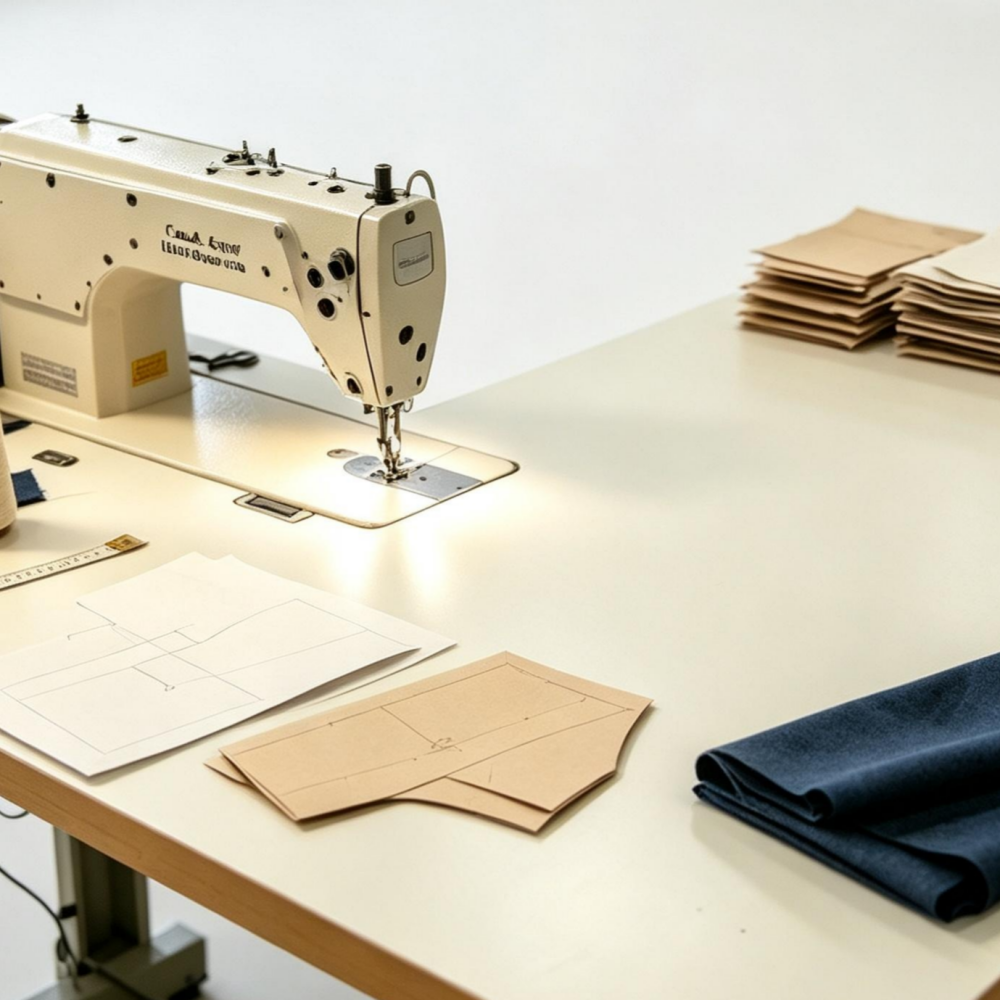
A skirt may look attractive in a product image but still perform poorly if the fit or construction is not properly considered. Waistband design, seam placement, closures, lining, and hem finishing all contribute to the finished garment’s comfort and appearance.
An elastic waistband can offer flexibility for relaxed designs, while a structured waistband may provide a cleaner finish for tailored styles. Zippers and buttons should be positioned for convenient dressing and secure fastening. For skirts made from lightweight or semi-transparent materials, lining and fabric opacity should also be assessed.
Pattern construction is equally important. Pleated designs require consistent pleat placement, gathered skirts need controlled fullness, and fitted styles depend on accurate pattern shaping and appropriate wearing ease. Slits and overlapping panels should provide sufficient mobility without compromising the intended appearance.
During sample development, brands should review garment measurements, seam quality, symmetry, closure performance, and hem consistency. Addressing these details early can reduce avoidable adjustments during bulk production.
5. Coordinate Colors, Prints, and Finishing Details
Color and surface design influence how a skirt fits into a wider clothing collection. Neutral shades such as black, navy, beige, and white are relatively easy to coordinate with other wardrobe pieces. Seasonal colors, floral patterns, checks, stripes, and decorative textures can help a collection establish a more distinctive identity.
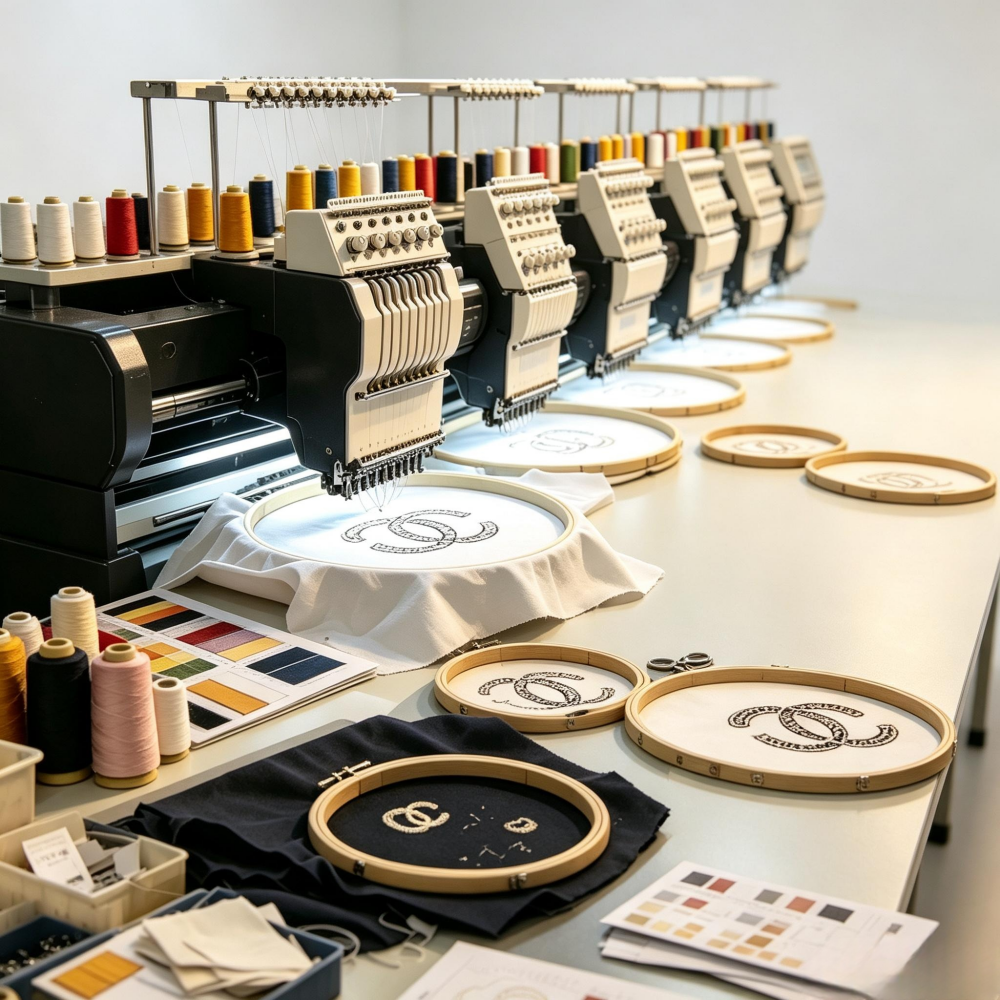
Design details should support the overall concept rather than compete with it. Pockets, buttons, belt loops, contrast stitching, pleats, embroidery, and decorative trims can add functional or visual value when used appropriately.
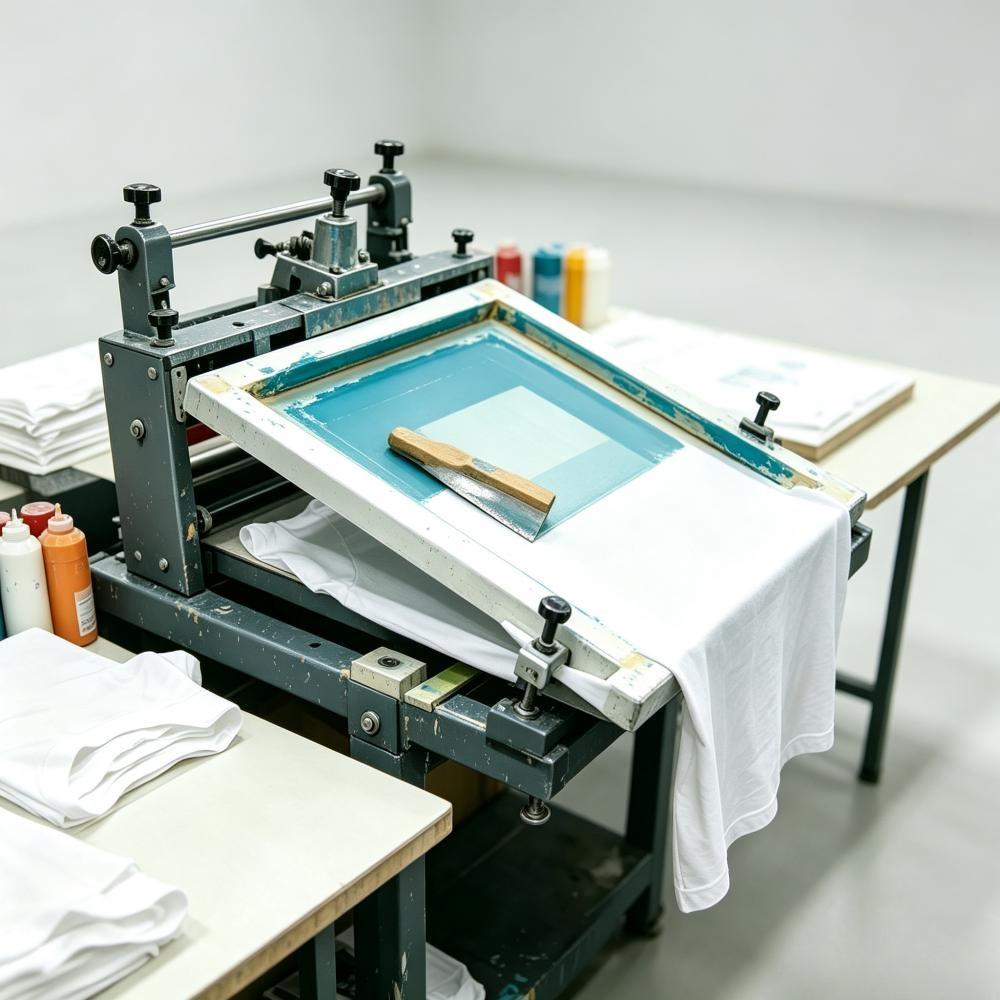
For commercial apparel development, consistency between the approved design and the finished product is particularly important. Print placement, color matching, trim specifications, and stitching details should be documented clearly in the technical package.
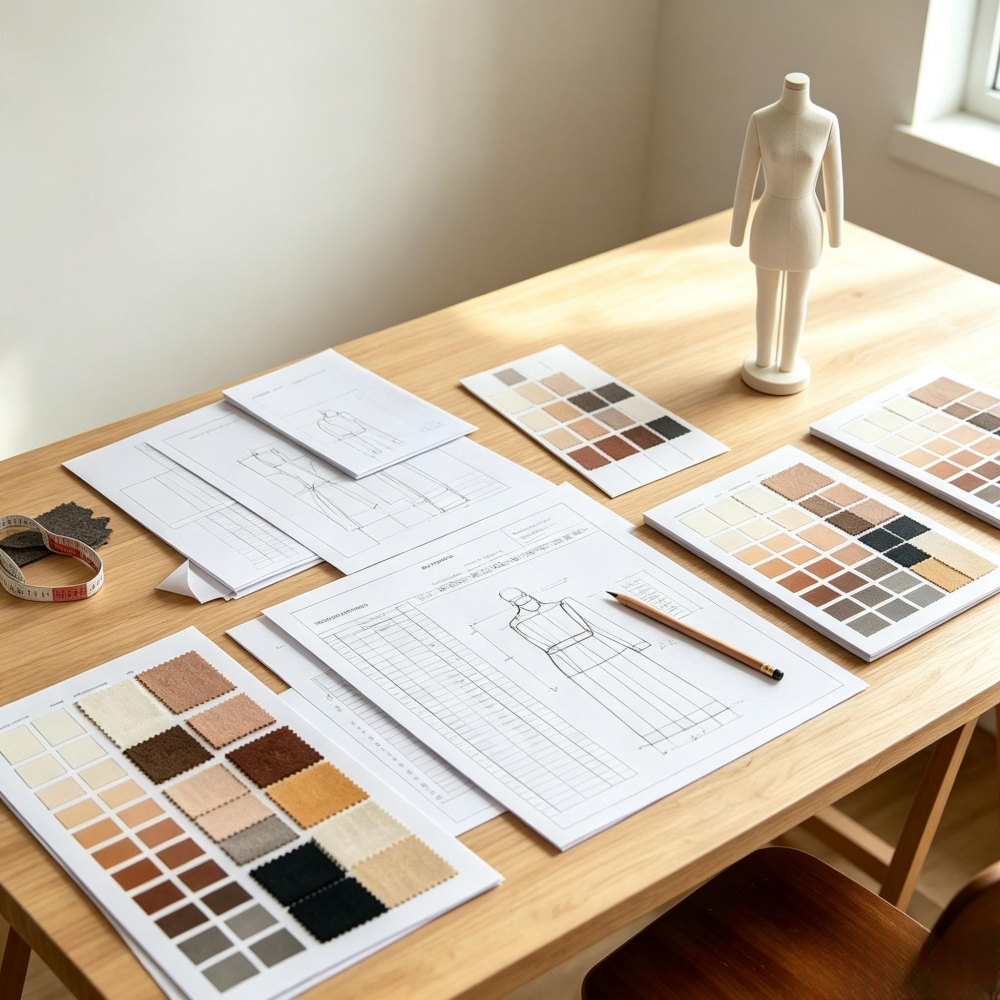
A complete tech pack can help communicate fabric composition, measurements, construction requirements, color references, labels, and finishing standards to the manufacturing team. This improves clarity during sampling and provides a reference for production inspections.
6. Evaluate Quality Before Bulk Production
Garment quality depends on the relationship between material selection, pattern accuracy, sewing operations, and final inspection. A suitable fabric alone cannot guarantee a reliable finished product if other manufacturing details are overlooked.
Before approving a skirt for bulk production, review the following areas:
- Fabric quality: Check surface defects, color consistency, composition information, and suitability for the design.
- Measurement accuracy: Compare the sample with the approved measurement chart and tolerance requirements.
- Sewing and seams: Inspect stitch consistency, seam strength, loose threads, and seam alignment.
- Closures and trims: Test zippers, buttons, hooks, and other functional components.
- Washing and care performance: Where relevant, assess shrinkage, colorfastness, and appearance after care testing.
- Final appearance: Review pressing, hem finishing, lining, packaging, and overall presentation.
The specific inspection and testing requirements should be determined by the garment design, fabric, buyer specifications, and intended market. Establishing these requirements before production helps create a clearer quality standard for all parties.
7. Work With an Apparel Manufacturer That Understands Your Requirements
For brands planning to introduce a new skirt collection, choosing a suitable manufacturing partner is an important part of product development. Beyond sewing capability, a manufacturer may need to support fabric sourcing, pattern development, sample revisions, trim coordination, production planning, and quality control.
Clear communication at the beginning of a project can make the development process more efficient. Buyers should prepare reference images, target measurements, fabric preferences, color specifications, expected quantities, and delivery requirements before requesting a quotation.
Sampling provides an opportunity to assess the proposed design and identify necessary changes before confirming bulk production. Once the sample and specifications are approved, consistent production standards help ensure that finished garments remain aligned with the agreed requirements.
At VEV Apparel, the focus of apparel development should be on connecting design requirements with practical manufacturing considerations. For businesses planning new clothing collections, a clearly defined product brief can help establish expectations for materials, construction, fit, and production.
Whether the goal is to develop everyday skirts, tailored styles, or seasonal fashion pieces, a structured approach to design and manufacturing supports better communication and more consistent results.
Conclusion
Choosing the right skirt involves balancing silhouette, fabric, length, fit, color, and construction quality. Each element contributes to the garment’s appearance, comfort, and suitability for its intended purpose.
For apparel brands, these considerations also influence product development, sample approval, and bulk production planning. By evaluating materials carefully, documenting specifications, and working with a manufacturing partner that understands the design requirements, businesses can develop skirt collections with greater consistency and a clearer product identity.