Denim clothing has remained a staple in the fashion industry thanks to its versatility, durability, and ability to adapt to different styles. From everyday jeans and casual shirts to denim skirts and jackets, denim garments are available in a wide variety of designs, fabrics, and finishes. However, not all denim products offer the same level of comfort, performance, or durability. Understanding the key factors that influence denim quality can help consumers make better purchasing decisions and find garments that suit their lifestyle.
1. Understand Denim Fabric and Its Properties
Fabric selection plays a major role in the overall performance of denim apparel. Traditional denim is commonly made from cotton, offering breathability, durability, and a distinctive woven texture. Some denim fabrics incorporate elastane or other fibers to provide additional stretch, allowing garments to move more naturally with the body.
Fabric weight is another important consideration. Heavyweight denim is often preferred for structured jeans, jackets, and workwear because it provides a substantial feel and good resistance to everyday wear. Lightweight denim, on the other hand, is suitable for shirts, dresses, and summer clothing, offering greater flexibility and comfort in warmer conditions. Choosing the appropriate fabric depends on the garment type, intended use, and seasonal requirements.
2. Find a Fit That Matches Your Needs
The fit of denim clothing affects both appearance and functionality. For jeans, popular options include straight-leg, slim-fit, wide-leg, relaxed-fit, and tapered designs. Each style creates a different silhouette and provides varying levels of freedom of movement.
When selecting denim apparel, consider how the garment fits around key areas such as the waist, hips, shoulders, and sleeves. A well-fitting denim jacket should allow comfortable movement without feeling restrictive, while jeans should provide sufficient room for sitting, walking, and other daily activities. The ideal fit is one that complements personal style while maintaining practical comfort.
3. Choose the Right Wash and Color
Denim washing and finishing techniques significantly influence the appearance of the final garment. Dark indigo and deep blue denim offer a classic look that works well for both casual and smart-casual outfits. Light blue and faded denim create a more relaxed appearance, while black, gray, and colored denim provide additional styling possibilities.
Different finishing methods, including stone washing, enzyme washing, and garment dyeing, can create distinct textures and visual effects. Consumers should also consider how the color and finish coordinate with existing clothing. For everyday versatility, classic shades are often practical choices, whereas distinctive washes can help create a more individual look.
4. Evaluate Stitching and Manufacturing Quality
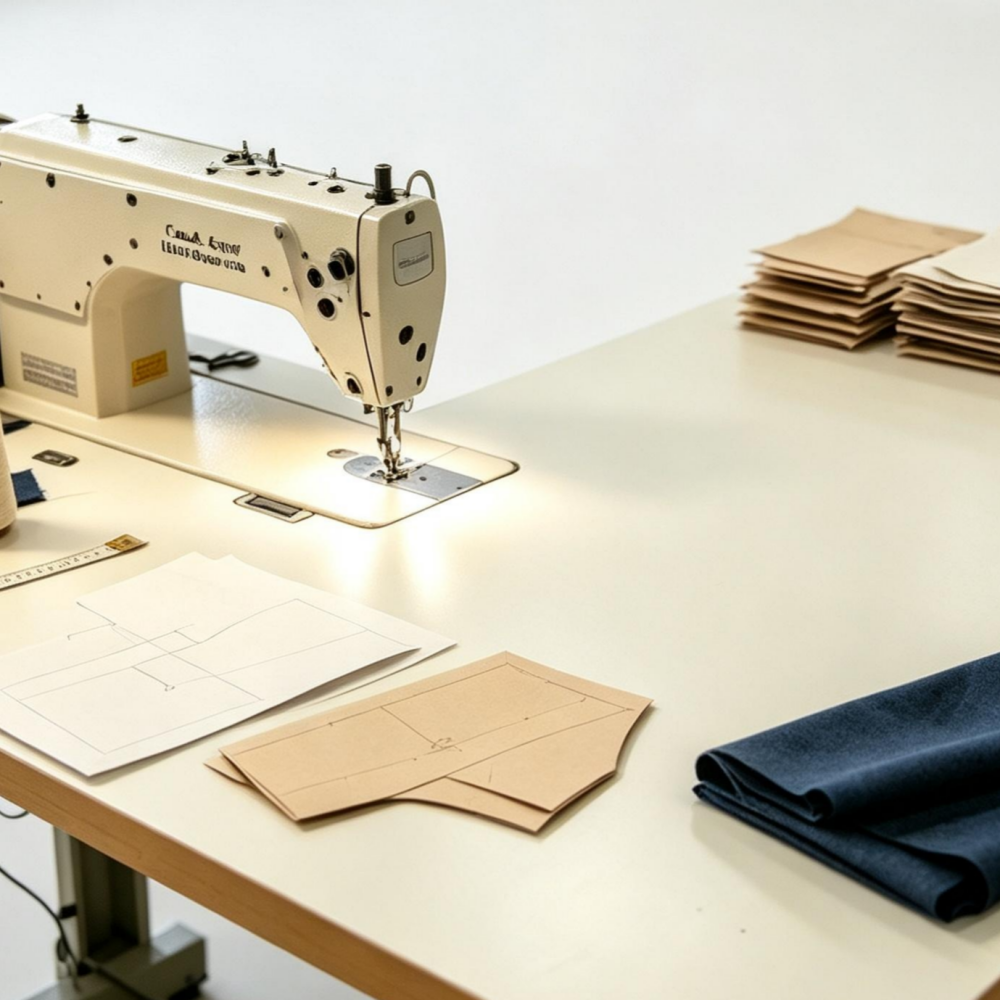
Good manufacturing quality is essential for denim garments intended for long-term use. Even when two products look similar, differences in stitching, seam construction, and finishing can affect their durability.
Pay attention to the consistency of the stitching, the strength of stress points, and the quality of zippers, buttons, rivets, and other accessories. Seams should be properly finished, pockets should be securely attached, and closures should function smoothly. For jeans, the waistband, crotch, and pocket openings deserve particular attention because these areas frequently experience tension during wear.
Proper construction helps denim garments maintain their shape and function through regular use and washing.
5. Consider Comfort, Care, and Longevity
Comfort extends beyond fabric softness. Breathability, flexibility, garment weight, and the way denim responds to movement all influence the wearing experience. For people who wear denim throughout the day, these practical factors can be just as important as appearance.
Care requirements should also be considered before purchasing. Some denim garments may experience color fading, shrinkage, or changes in texture if washed incorrectly. Following the manufacturer’s care instructions, using appropriate washing temperatures, and avoiding excessive heat can help preserve the fabric and finishing.
Selecting denim with suitable fabric properties and reliable construction can reduce premature wear and extend the useful life of a garment.
6. Match Denim Design to Its Intended Purpose
Different denim products serve different purposes. Jeans designed for daily wear may prioritize flexibility and versatility, while denim jackets often focus on structure, layering, and visual appeal. Denim shirts and dresses may require lighter fabrics and softer finishes to provide greater comfort.
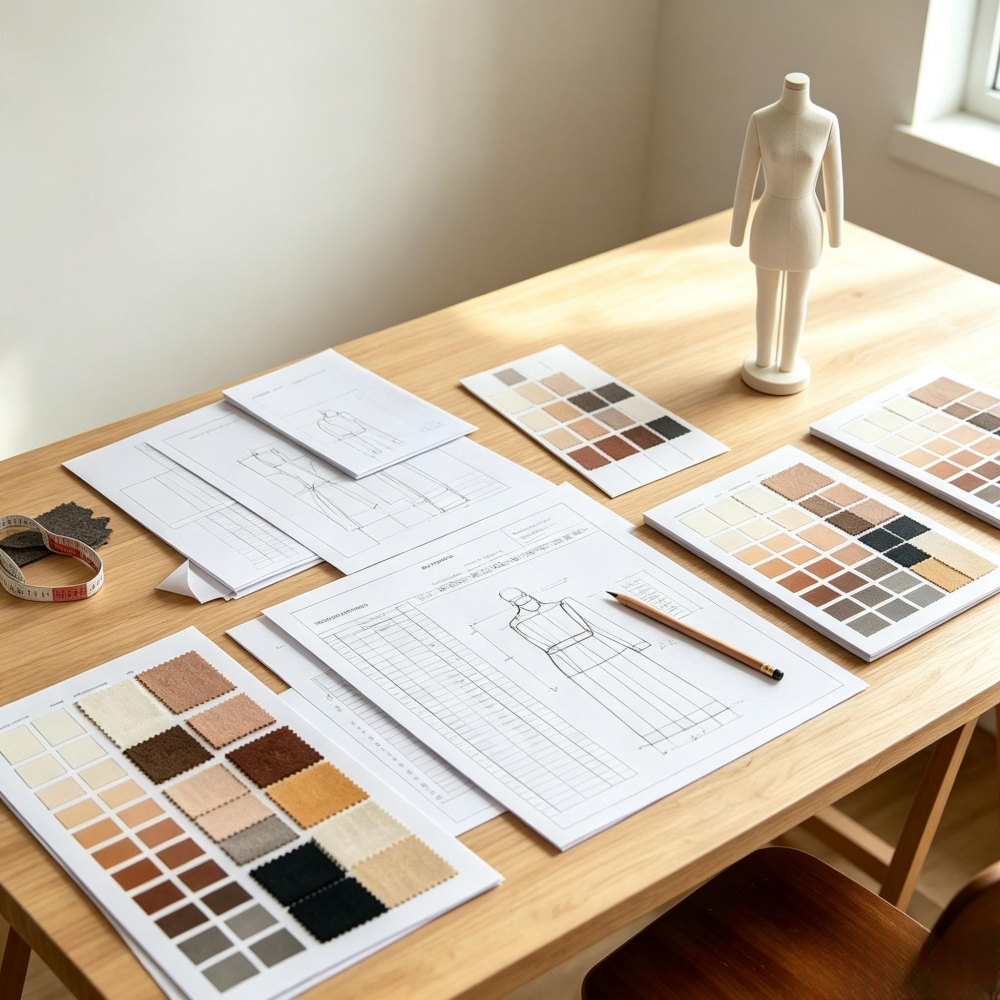
For apparel businesses and clothing brands, these considerations are equally important during product development. Fabric composition, garment measurements, wash effects, stitching details, and hardware selection should be evaluated together to ensure that the finished product meets its intended market requirements.
Working with an experienced apparel manufacturer can help businesses coordinate fabric sourcing, sample development, construction details, and production quality more effectively.
Conclusion
Choosing the right denim clothing involves more than selecting an attractive design. Fabric composition, weight, fit, washing effects, construction quality, and care requirements all contribute to the overall performance of a denim garment. By evaluating these factors together, consumers can find denim apparel that suits their personal style and everyday needs.
For apparel businesses, understanding these elements also provides a useful foundation for developing denim collections that balance appearance, comfort, durability, and manufacturing consistency.