
Jackets and outerwear are essential parts of the apparel industry, offering a combination of protection, comfort, and everyday functionality. From lightweight casual jackets to insulated winter coats, these garments are developed to meet different weather conditions, wearing requirements, and fashion preferences. As clothing designs continue to evolve, manufacturers are placing greater emphasis on material performance, garment construction, and production consistency.
For apparel brands and clothing buyers, understanding how jackets and outerwear are designed and manufactured is important when developing products for different markets. Fabric selection, pattern construction, functional details, and quality control all influence the final appearance, durability, and performance of a garment.
1. Different Types of Jackets and Outerwear
Jackets and outerwear cover a broad range of garment styles, each designed for specific purposes and seasonal requirements.
Lightweight Jackets
Lightweight jackets are commonly designed for spring, autumn, and mild weather conditions. They typically feature relatively simple constructions, practical closures, and comfortable fits. Cotton, polyester, nylon, and blended fabrics are frequently used depending on the desired appearance and functionality.
Casual and Fashion Jackets
Casual jackets combine everyday practicality with contemporary styling. Denim jackets, bomber jackets, varsity jackets, and shirt jackets are popular examples. Their designs often incorporate distinctive collars, pockets, buttons, zippers, decorative stitching, and different fabric treatments.
Insulated and Padded Jackets
Padded jackets are designed to provide additional warmth through insulating materials placed between the outer fabric and lining. Their construction requires attention to filling distribution, quilting patterns, seam strength, and overall garment weight.
Down Jackets and Winter Outerwear
Down jackets and other winter outerwear are developed for colder environments. Depending on the product requirements, manufacturers may use down, synthetic insulation, wind-resistant fabrics, and specialized lining materials. Construction quality is particularly important for maintaining insulation performance and preventing filling from shifting or escaping.
Trench Coats and Long Outerwear
Trench coats and long coats emphasize silhouette, structure, and fabric drape. Common design features include lapels, belts, shoulder details, front closures, and lining systems. Pattern accuracy and finishing techniques play an important role in achieving a consistent fit and professional appearance.
2. Fabric Selection for Jackets and Outerwear
Fabric selection is one of the most important considerations in jacket and outerwear development. Different materials offer different levels of durability, breathability, softness, insulation, and weather resistance. The right choice depends on the garment’s intended use, target market, season, and design requirements.
Common materials include:
- Cotton: Provides a natural feel, softness, and breathability. It is frequently used for casual jackets, denim outerwear, and lightweight everyday styles.
- Polyester: Offers durability, shape retention, and relatively easy maintenance. It is widely used in lightweight jackets, padded outerwear, and lining fabrics.
- Nylon: Known for its lightweight construction and abrasion resistance. It is commonly selected for outdoor jackets and garments requiring additional functional performance.
- Wool and Wool Blends: Provide warmth and a structured appearance, making them suitable for coats and cold-weather outerwear.
- Down and Synthetic Filling: Used as insulation materials in winter jackets, with different characteristics in terms of weight, warmth, maintenance, and cost.
In addition to fiber composition, fabric weight, thickness, surface texture, finishing, and colorfastness should also be evaluated. For example, an outdoor jacket may require water-repellent fabric treatments, while a fashion coat may prioritize drape, texture, and visual appearance.
For manufacturers, material testing and fabric inspection before production help reduce potential problems such as shrinkage, color variation, uneven texture, and inconsistent garment dimensions.
3. Key Design and Construction Details
A well-designed jacket requires more than an attractive silhouette. Its construction must support comfort, durability, and the intended function of the garment.
Several details deserve particular attention during product development.
Pattern Making and Fit
Accurate pattern development determines the garment’s overall proportions, fit, and freedom of movement. Sleeve shape, shoulder width, body length, and ease allowance should be adjusted according to the selected style and target size range.
Closures and Functional Components
Zippers, buttons, snaps, drawstrings, and hook-and-loop fasteners are commonly used in jacket construction. These components should match the garment’s design and functional requirements. Their strength, positioning, and attachment methods also influence product durability.
Pockets and Reinforcement
Pocket placement and construction affect both appearance and usability. Different styles may require patch pockets, welt pockets, flap pockets, or zippered pockets. High-stress areas, including pocket openings, sleeve attachments, and closure points, may require additional reinforcement.
Lining and Insulation Construction
For lined and padded garments, the relationship between the outer fabric, lining, and filling material must be carefully considered. Proper construction helps maintain garment shape, improve wearing comfort, and support consistent insulation distribution.
Seam Finishing and Stitching
Seam types, stitch density, edge finishing, and reinforcement methods should be selected according to fabric characteristics and garment structure. Consistent stitching improves the overall appearance and helps reduce problems such as seam opening, loose threads, and fabric distortion.
4. Jacket and Outerwear Manufacturing Process
Producing jackets and outerwear involves several coordinated manufacturing stages. Each stage contributes to the garment’s final quality and production consistency.
Step 1: Design Development and Technical Specifications
The process begins with design references, technical drawings, measurements, fabric requirements, color selections, and construction details. A complete tech pack helps manufacturers understand the product requirements and maintain consistency throughout development.
Step 2: Fabric and Trims Sourcing
Suitable fabrics, linings, zippers, buttons, filling materials, and other accessories are selected according to the product specifications. Material compatibility is important because different components can affect garment performance, appearance, and durability.
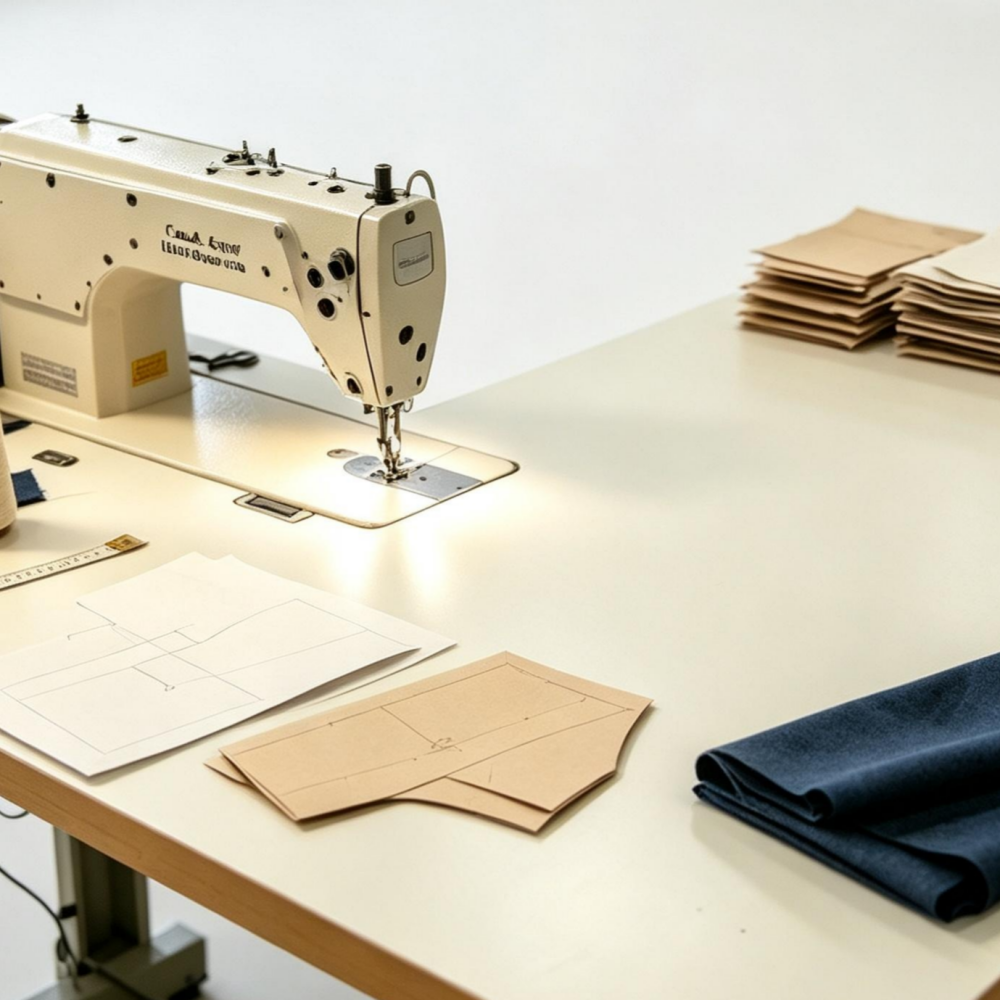
Step 3: Pattern Making and Sample Development
Patterns are developed based on the approved design and size specifications. Initial samples are then produced to evaluate fit, construction, fabric behavior, and functional details. Necessary adjustments are made before bulk production begins.
Step 4: Fabric Preparation and Cutting
Before cutting, fabrics may require inspection, relaxation, or other preparation depending on their characteristics. Cutting accuracy is essential for maintaining consistent garment dimensions and minimizing material waste.
Step 5: Sewing and Garment Assembly
Cut fabric panels are assembled through sewing and specialized construction techniques. Depending on the design, this stage may include zipper installation, pocket attachment, lining assembly, quilting, collar construction, and sleeve setting.
Step 6: Finishing and Final Inspection
Completed garments undergo finishing procedures such as thread trimming, pressing, cleaning, labeling, and final inspection. Products are checked against approved samples and specifications before packing and shipment.
5. Quality Control Requirements for Jackets and Outerwear
Quality control is particularly important in jacket and outerwear manufacturing because these garments often contain multiple materials, accessories, and construction components.
A comprehensive inspection process should cover several key areas:
- Fabric Quality: Check fabric defects, color consistency, weight, surface appearance, and potential shrinkage issues.
- Measurement Accuracy: Verify garment measurements against approved size specifications and tolerance requirements.
- Sewing Quality: Inspect seam strength, stitch consistency, loose threads, and reinforcement at critical areas.
- Accessory Functionality: Test zippers, buttons, snaps, drawstrings, and other components for proper operation and attachment.
- Construction Consistency: Check lining alignment, filling distribution, pocket positioning, and overall garment shape.
- Appearance and Finishing: Review pressing quality, labeling, cleanliness, and packaging condition.
For garments designed with specific functional requirements, additional testing may be necessary. Depending on the product, this can include water resistance, colorfastness, dimensional stability, seam performance, and insulation-related evaluations.
Clear product specifications and consistent inspection standards help manufacturers reduce production defects and deliver garments that meet buyer expectations.
6. Trends in Modern Jacket and Outerwear Manufacturing
The jacket and outerwear market continues to develop as consumer expectations change. Modern products are increasingly expected to combine practical functionality, comfortable fits, and distinctive design features.
Several developments are influencing product development and manufacturing:
Functional Fabric Innovation
Lightweight, water-repellent, wind-resistant, and breathable materials are increasingly incorporated into different outerwear categories. These materials allow manufacturers to develop products for specific environments and wearing conditions.
Versatile and Practical Designs
Consumers increasingly value garments that can be worn across different occasions. Minimalist silhouettes, adjustable details, practical pockets, and adaptable layering designs are common considerations in modern collections.
Material Sustainability
Sustainable material sourcing has become an important topic in apparel development. Recycled fibers, responsibly sourced natural materials, and improved production practices are receiving greater attention from manufacturers and buyers.
Improved Manufacturing Precision
More standardized production procedures, accurate pattern development, and systematic quality inspections help improve consistency across different sizes and production batches.
As these developments continue, apparel manufacturers need to balance design requirements, material performance, production feasibility, and cost considerations.
7. Choosing a Reliable Jacket and Outerwear Manufacturer
Selecting the right manufacturing partner is an important part of developing a successful jacket or outerwear collection. Buyers should consider more than production prices when evaluating potential suppliers.
Important factors include experience with different garment categories, fabric sourcing capabilities, sample development procedures, production management, quality control standards, and communication efficiency.
A capable apparel manufacturer should be able to understand technical requirements, recommend suitable materials, coordinate product development, and maintain consistent quality throughout bulk production.
For brands developing customized collections, OEM and ODM manufacturing services can also provide flexibility in design development, material selection, construction details, and private label production.
Conclusion
Jackets and outerwear require careful consideration of fabric performance, garment structure, functional details, and manufacturing quality. From lightweight casual jackets to insulated winter coats, each product category has its own material and construction requirements.
A well-managed manufacturing process helps ensure that the finished garments meet design specifications, provide the intended level of comfort and functionality, and maintain consistent quality across production batches.
For apparel brands and clothing buyers, working with an experienced manufacturing partner is an important step toward developing reliable jacket and outerwear collections for different markets.
Looking for a reliable apparel manufacturing partner?
VEV Apparel provides apparel manufacturing support for businesses developing clothing collections. From fabric selection and sample development to garment production and quality inspection, we help turn product concepts into finished apparel.
Contact VEV Apparel to discuss your next apparel project and explore suitable manufacturing solutions.