
Jacket and outerwear design has evolved significantly as consumer expectations continue to change. Modern outerwear is no longer developed solely to provide warmth or protection from different weather conditions. Instead, it combines functional performance, wearing comfort, visual appeal, and practical versatility. From lightweight everyday jackets to technical outdoor garments and structured fashion coats, each design requires careful consideration of materials, fit, construction, and intended use.
For apparel brands and clothing manufacturers, successful outerwear development involves balancing creative concepts with practical production requirements. Fabric characteristics, garment proportions, functional components, and manufacturing techniques all contribute to the final product. Understanding these elements helps create jackets and outerwear that meet both market expectations and everyday wearing needs.
1. Functional Design for Different Wearing Conditions
Functionality is one of the most important considerations in modern jacket and outerwear design. Different garment categories serve different purposes, so their materials, construction methods, and design details should reflect their intended environments.
Outdoor jackets generally require features that support weather protection and mobility. Wind-resistant fabrics, water-repellent finishes, breathable materials, adjustable hoods, and secure pockets may be incorporated depending on the product specifications.
Urban and casual jackets often place greater emphasis on lightweight construction, comfortable fits, and styling flexibility. Practical details such as front zippers, button closures, adjustable cuffs, and functional pockets help improve everyday usability without making the design unnecessarily complicated.
Winter outerwear requires additional attention to insulation and heat retention. Padded structures, suitable filling materials, protective linings, and carefully constructed closures can help improve warmth and wearing comfort.
When developing a jacket collection, designers should first identify the target season, wearing environment, and intended customer. This makes it easier to select appropriate fabrics and construction details while ensuring that the final design serves a clear purpose.
2. Comfort, Fit, and Ergonomic Jacket Construction
Comfort is an essential part of contemporary outerwear design. A jacket may have an attractive appearance, but poor proportions or restrictive construction can negatively affect the overall wearing experience.
Garment fit depends on several interconnected factors, including shoulder width, chest measurements, sleeve length, body proportions, and ease allowance. These measurements should be developed according to the intended silhouette and target size range.
Ergonomic garment design also considers how the body moves during everyday activities. Sleeve shapes, armhole construction, shoulder positioning, and fabric flexibility can influence freedom of movement. For outdoor and active styles, additional movement allowance may be necessary to accommodate layering and physical activity.
Fabric selection also contributes to comfort. Lightweight materials can improve ease of movement, while soft linings and breathable fabrics can enhance the wearing experience. For colder-weather garments, the combination of outer fabric, insulation, and lining should provide suitable warmth without creating unnecessary bulk.
During sample development, manufacturers can evaluate garment proportions, movement, layering space, and overall fit. Adjustments made at this stage help ensure that the approved design performs as expected before bulk production.
3. Contemporary Styling and Visual Design Details
Visual identity is another important element of modern jacket and outerwear development. Consumers increasingly look for garments that combine practical features with distinctive styling and versatility.
Color selection plays an important role in defining a collection’s overall appearance. Neutral colors such as black, navy, beige, and gray are commonly used in everyday outerwear, while seasonal colors and contrasting combinations can create a stronger visual identity.
Silhouette and proportion also influence the overall design. Oversized jackets, relaxed fits, cropped styles, structured coats, and minimalist outerwear offer different styling possibilities. Designers need to consider how these shapes work with the intended fabric and construction method.
Small design details can also create a significant difference. Pocket shapes, collar styles, zipper placement, decorative stitching, panel combinations, buttons, and adjustable components can contribute to both appearance and functionality.
For apparel brands, maintaining consistency across a jacket collection is equally important. Coordinated colors, materials, trims, and design elements help establish a recognizable product identity while allowing individual styles to retain their own characteristics.
4. Fabric Innovation and Material Selection
Fabric selection has a direct influence on the appearance, comfort, durability, and functionality of jackets and outerwear. Different materials offer different properties, making it important to match fabric characteristics with the requirements of each design.
Common material options include:
- Cotton and Cotton Blends: Offer a soft hand feel and comfortable wearing experience. They are frequently used in casual jackets, lightweight outerwear, and everyday styles.
- Polyester: Provides durability, shape retention, and relatively easy maintenance. It is widely used in jacket shells, linings, and insulated garments.
- Nylon: Offers lightweight construction and abrasion resistance, making it suitable for outdoor-inspired jackets and functional outerwear.
- Wool and Wool Blends: Provide warmth, texture, and structure, making them suitable for coats and more tailored outerwear styles.
- Recycled Fibers: Can be incorporated into selected outerwear products as part of material sourcing strategies, depending on performance requirements and supplier availability.
Beyond fiber composition, designers should evaluate fabric weight, thickness, texture, flexibility, colorfastness, and finishing treatments. For example, a lightweight transitional jacket may require a different material structure from a padded winter coat.
Material compatibility should also be considered during product development. Outer fabrics, linings, insulation, and accessories need to work together to achieve the intended garment performance and appearance.
5. Sustainability in Modern Outerwear Design
Sustainability is becoming an increasingly important consideration in apparel product development. For jacket and outerwear collections, responsible design involves evaluating materials, product durability, construction efficiency, and the potential lifespan of finished garments.
One approach is to explore fabrics made from recycled or responsibly sourced fibers where suitable options are available. Material selection should consider not only environmental claims but also durability, functionality, sourcing transparency, and the intended use of the garment.
Product longevity is another important consideration. Well-designed jackets with durable seams, reliable closures, quality fabrics, and practical styling can remain useful over a longer period. Repair-friendly construction and replaceable components may also help extend garment life.
Manufacturers can further improve material efficiency through accurate pattern making, optimized fabric layouts, and reduced cutting waste. Simplifying unnecessary design components and selecting compatible materials can also support more efficient production.
Sustainable outerwear design therefore requires cooperation between designers, material suppliers, and manufacturers. Considering these factors early in product development can help create garments that balance practical performance, commercial requirements, and more responsible material use.
6. Turning Design Concepts into Production-Ready Garments
An innovative jacket design must also be suitable for actual garment manufacturing. A design concept may look attractive in an illustration, but its construction, material requirements, and production feasibility need to be evaluated before bulk manufacturing.
The product development process generally involves several important stages.
Design Concept and Technical Specifications
The initial stage includes design references, technical drawings, measurements, fabric preferences, color requirements, and construction details. Clear specifications help translate creative ideas into practical production instructions.
Fabric and Trim Selection
Manufacturers evaluate suitable outer fabrics, linings, zippers, buttons, filling materials, and other accessories. The selected components should match the garment’s intended function, appearance, and cost requirements.
Pattern Development and Sample Making
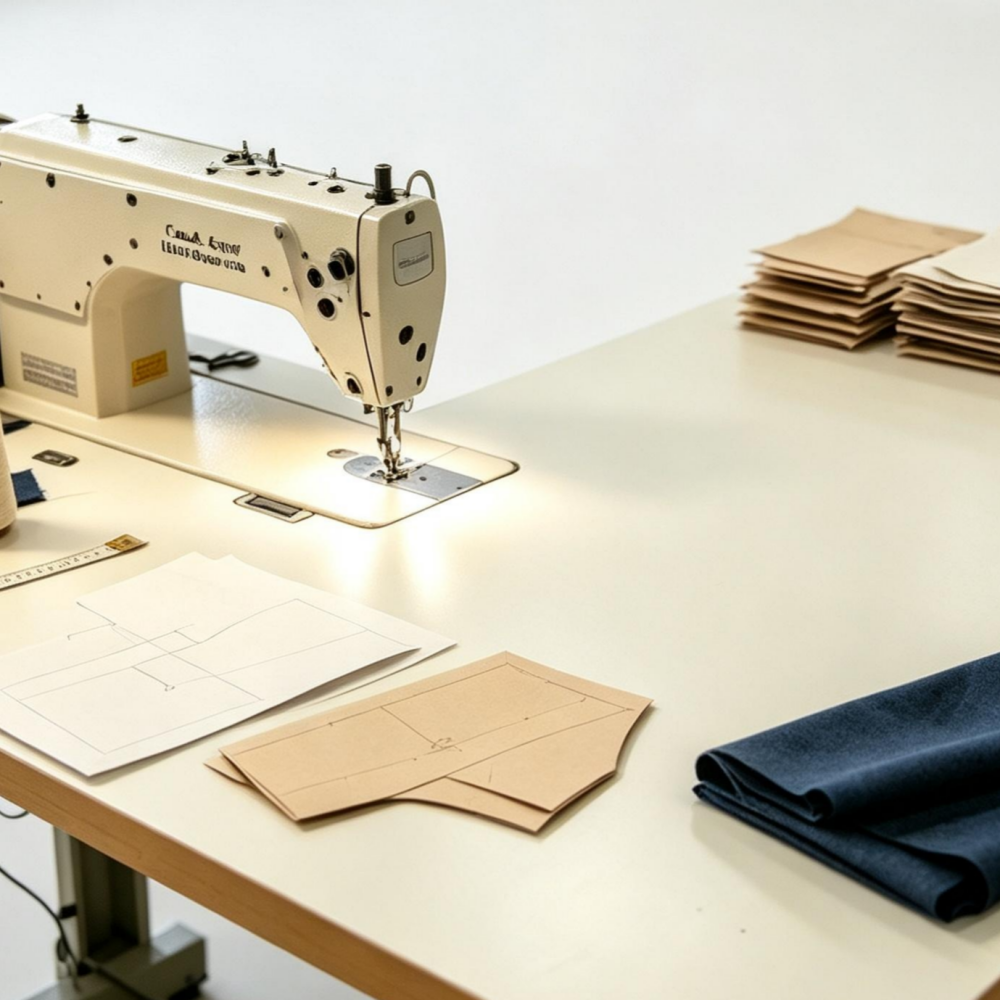
Patterns are developed according to the design and measurement specifications. Initial samples allow designers and manufacturers to evaluate proportions, fit, construction details, and material performance.
Sample Revision and Approval
After reviewing the sample, necessary changes can be made to measurements, stitching, fabric combinations, and functional details. The approved sample then serves as an important reference for bulk production.
Bulk Production and Quality Inspection
Once the product specifications are confirmed, manufacturing can proceed with fabric cutting, sewing, assembly, finishing, and inspection. Consistent production standards help ensure that finished garments match the approved design.
Early communication between designers and manufacturers can help identify construction challenges, improve material selection, and reduce unnecessary revisions during development.
7. Future Trends in Jacket and Outerwear Design
The future of jacket and outerwear design will continue to be influenced by changing lifestyles, material innovation, manufacturing technology, and consumer preferences.
Several developments are shaping modern product development:
Multifunctional Design
Versatile garments that can adapt to different occasions and weather conditions are becoming an important design direction. Adjustable components, practical pockets, removable details, and layering-friendly silhouettes can improve product flexibility.
Lightweight Performance Materials
Developments in textile materials are creating more opportunities for lightweight, breathable, and functional outerwear. Designers can explore different fabric structures and finishing technologies to achieve specific performance requirements.
Minimalist and Timeless Styling
Clean silhouettes, practical construction, and adaptable color combinations remain important considerations for brands developing products with longer-term commercial appeal.
Responsible Material Development
Greater attention to material sourcing, product durability, and production efficiency is encouraging manufacturers and apparel brands to consider sustainability throughout the product development process.
More Precise Product Development
Improved pattern development, digital design tools, sample evaluation, and standardized manufacturing procedures can help reduce development errors and improve consistency across production batches.
These developments highlight the importance of combining creative design with technical knowledge and manufacturing capabilities.
Conclusion
Modern jacket and outerwear design requires a balance between functionality, comfort, aesthetics, and responsible material selection. From fabric innovation and ergonomic garment construction to practical details and contemporary styling, every design decision contributes to the final product.
For apparel brands, turning a creative concept into a successful collection also requires careful sample development, clear technical specifications, and reliable manufacturing processes. By working closely with an experienced apparel manufacturing partner, businesses can develop jackets and outerwear that meet their design objectives while maintaining consistent production quality.
Developing a New Jacket or Outerwear Collection?
VEV Apparel supports apparel businesses with garment development and manufacturing solutions. From fabric selection and design development to sample making and bulk production, we help transform apparel concepts into finished products.
Contact VEV Apparel to discuss your next clothing project and explore your manufacturing options.
Q1: What are the key elements of modern jacket design?
Modern jacket design combines functionality, comfort, fit, fabric selection, and visual appeal. Practical details such as pockets, closures, adjustable components, and suitable silhouettes also contribute to the overall design.
Q2: How do you design a functional jacket?
A functional jacket starts with a clear understanding of its intended use and wearing environment. Designers need to consider fabric performance, garment construction, fit, weather protection, and practical details.
Q3: What fabrics are best for modern outerwear?
Polyester, nylon, cotton, wool, and blended fabrics are commonly used. The most suitable material depends on the garment’s season, desired performance, comfort requirements, and overall design.
Q4: Why is sample development important in jacket manufacturing?
Sample development allows designers and manufacturers to evaluate fit, construction, material compatibility, and functional details before bulk production. It helps identify potential issues and improve the final product.