Denim has evolved far beyond traditional blue jeans. Today, it is used in a wide range of clothing, including jackets, shirts, skirts, dresses, shorts, and contemporary fashion collections. For clothing brands and apparel manufacturers, denim offers opportunities to combine practical functionality with creative design, making it a valuable material for developing versatile clothing lines.
Creating successful denim apparel, however, involves more than selecting an attractive fabric. Fabric characteristics, garment construction, finishing techniques, fit, and production consistency all play important roles in determining the final product.
1. Choosing the Right Denim Fabric for Each Garment
Fabric selection is one of the most important decisions in denim development. Different denim fabrics can produce significantly different results, even when used to create similar styles.
Lightweight denim is often suitable for shirts, dresses, and summer garments, while medium- and heavyweight fabrics are commonly used for jeans, jackets, and structured designs. The choice depends on the intended silhouette, season, durability requirements, and overall design concept.
Fiber composition also influences garment performance. Traditional cotton denim offers a familiar texture and natural appearance, while cotton blends containing elastane can provide additional stretch and flexibility. For garments that require a softer feel or greater freedom of movement, selecting the appropriate fabric composition is essential.
When developing a new collection, manufacturers should consider fabric weight, hand feel, stretch recovery, color consistency, and shrinkage before moving into bulk production.
2. How Garment Construction Influences Denim Quality
The quality of denim apparel depends not only on the fabric but also on how each garment is constructed.
Seam placement, stitching density, pocket design, waistband structure, closures, and reinforcement details all contribute to the finished product. Jeans, for example, may require reinforced stress points and carefully constructed seams to withstand repeated wear. Denim jackets often rely on precise panel alignment and structured construction to maintain their intended shape.
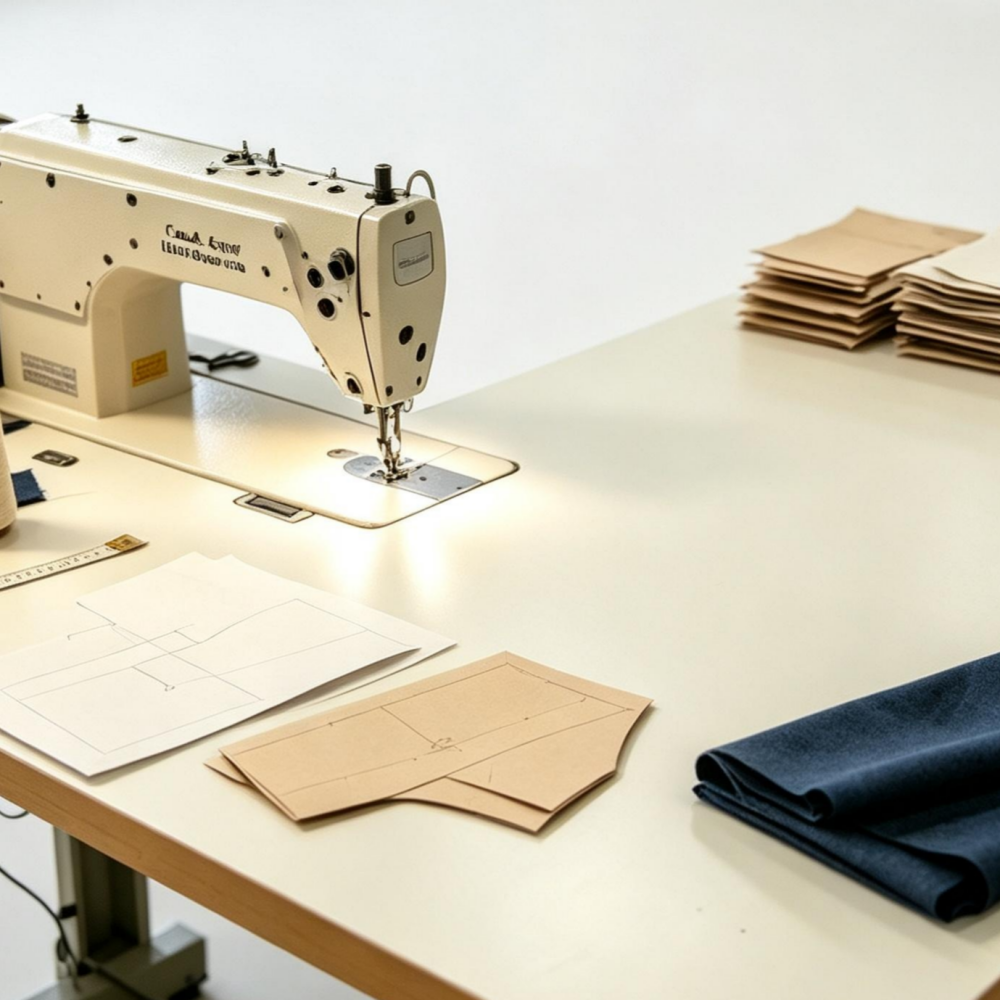
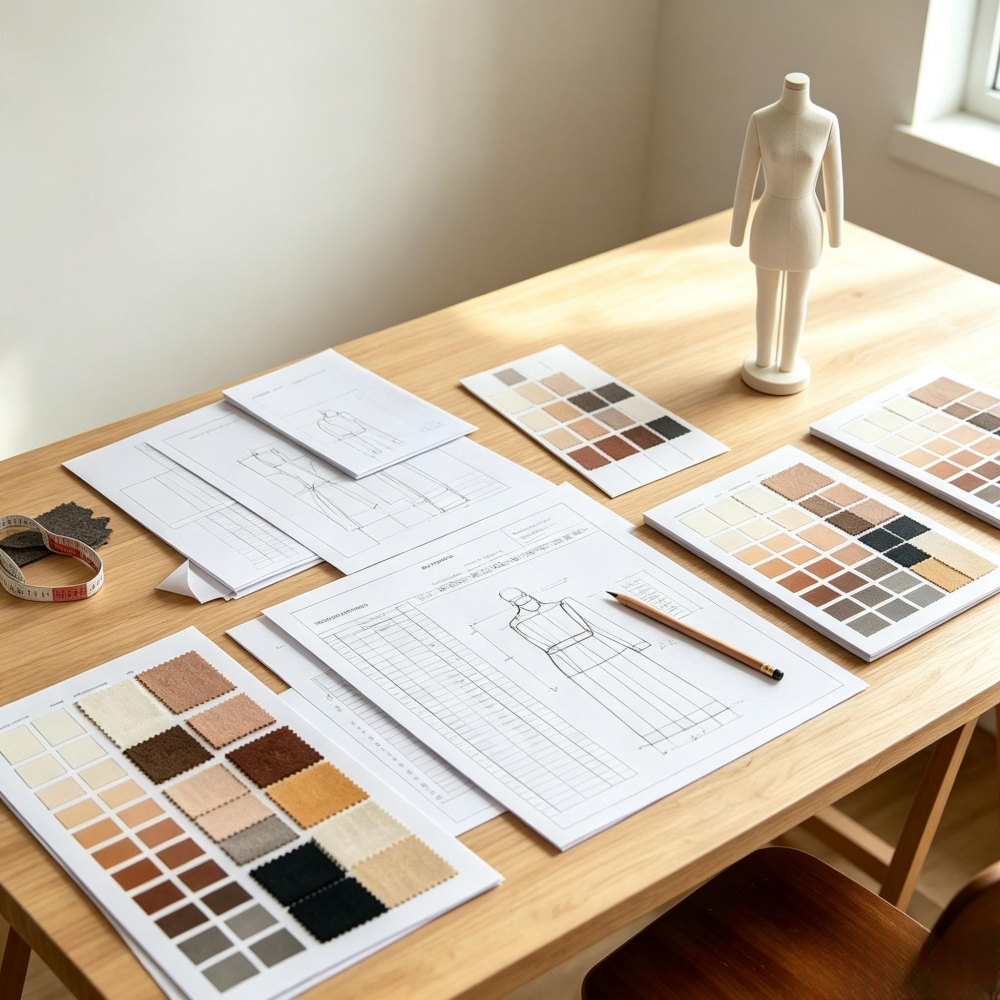
Pattern development is equally important. Small adjustments to garment proportions, sleeve shapes, pocket positions, and overall fit can significantly influence the appearance and comfort of a denim design.
For clothing brands developing their own collections, professional pattern making and sample development can help identify construction issues early and reduce unnecessary revisions before production begins.
3. Denim Finishing Techniques Create Different Fashion Effects
Finishing techniques give denim garments much of their visual identity. Depending on the design direction, manufacturers can create anything from a clean, uniform appearance to a vintage-inspired finish.
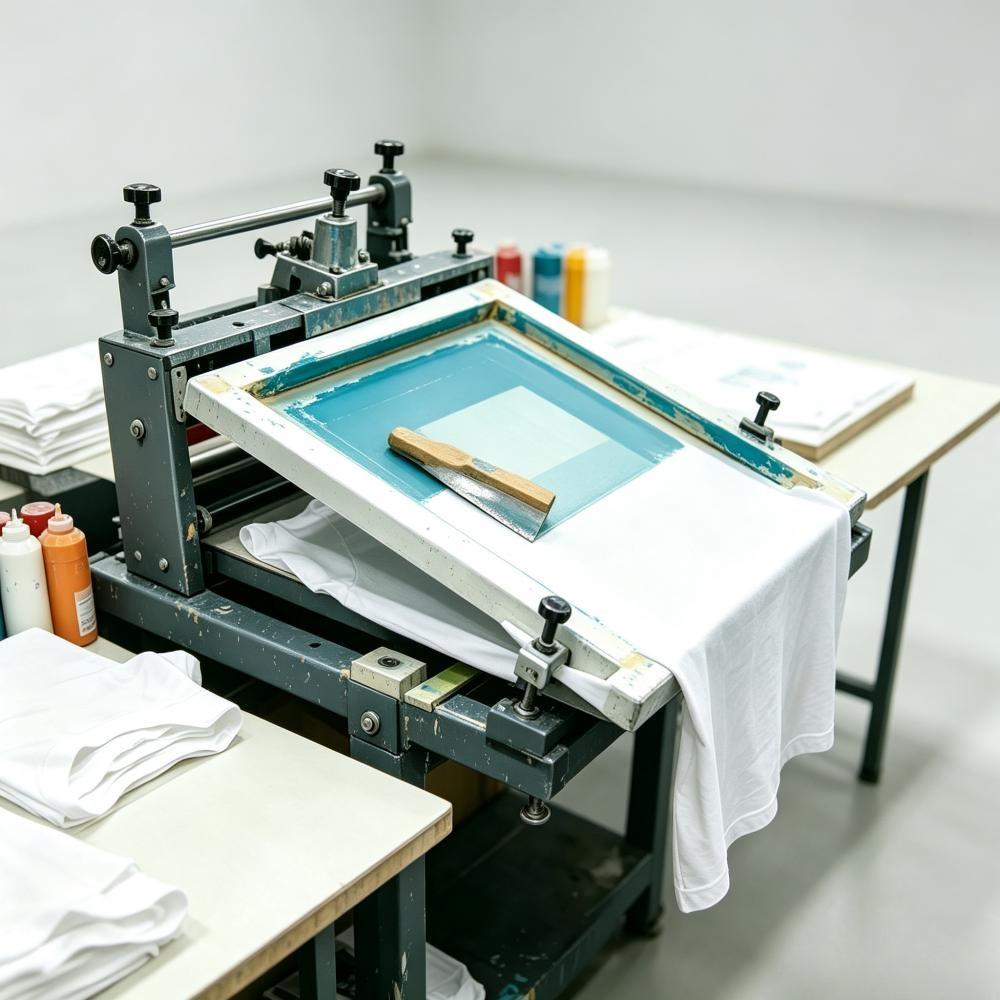
Common approaches include garment washing, enzyme washing, stone-wash effects, localized fading, and distressed details. Each technique creates a different surface appearance and may affect the softness, color, and overall character of the garment.
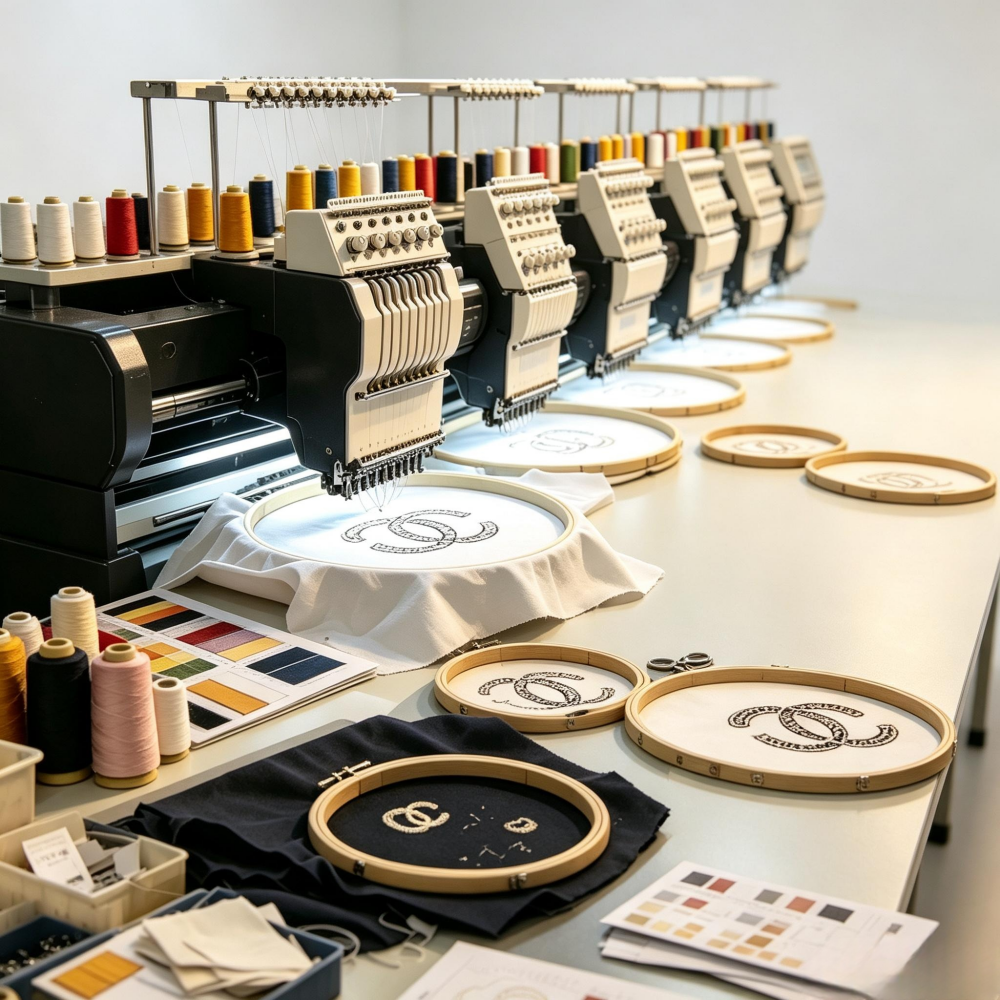
For example, a clean dark-indigo finish may suit minimal and contemporary collections, while faded surfaces and distressed details can create a more casual, worn-in look. Embroidery, patchwork, contrasting stitching, and decorative panels offer additional ways to distinguish a design.
The finishing process should be selected according to the fabric, garment style, and desired result. Testing is particularly important when developing washed denim because color variation, shrinkage, and differences between production batches can affect the final appearance.
4. Balancing Fit, Comfort, and Design Flexibility
Modern denim collections cover a broad range of silhouettes, from relaxed and oversized fits to slim, tailored, and wide-leg designs. Each silhouette requires careful consideration of fabric behavior and garment proportions.
Rigid denim can provide structure and help maintain a defined shape, while stretch denim may improve comfort in closer-fitting styles. Lightweight denim can also support softer silhouettes and more fluid garment designs.
Beyond fit, practical details such as pocket functionality, adjustable waistbands, button placement, and suitable closures can improve the overall wearing experience. These details should be considered during the initial design and sampling stages rather than added as an afterthought.
By aligning fabric performance with the intended fit, apparel developers can create denim products that meet both design expectations and everyday wearing needs.
5. From Denim Samples to Consistent Bulk Production
Moving from an initial concept to finished denim apparel requires a structured development process. Before bulk manufacturing, the design should be evaluated through fabric selection, pattern development, sample making, fit assessment, and finishing tests.
Sample approval provides an opportunity to review measurements, stitching, construction details, wash effects, and overall appearance. Any necessary adjustments can then be incorporated into the production specifications.
Once production begins, maintaining consistency becomes especially important. Denim garments may show variations in shade, texture, and washing effects if materials and processes are not properly controlled. Clear specifications, appropriate quality inspections, and repeatable finishing procedures help reduce these differences.
For brands planning to expand their product ranges, working with an experienced apparel manufacturing partner can support communication between product development and production, helping ensure that approved designs are translated into finished garments more consistently.
6. Developing Denim Collections for Different Markets
Denim remains adaptable to changing consumer preferences because it can be developed for different age groups, seasons, price points, and fashion directions.
A collection might include essential jeans and denim jackets alongside seasonal shirts, skirts, dresses, or coordinated sets. Different washes, colors, trims, and silhouettes can help create variety while maintaining a recognizable design identity.
For B2B apparel development, the most suitable approach depends on the target market, product positioning, order requirements, and production capabilities. Careful planning at the development stage helps manufacturers and clothing brands balance design objectives with material availability, production efficiency, and quality expectations.
As denim continues to evolve, successful product development will depend on combining thoughtful design with suitable materials, reliable construction, and effective manufacturing processes.
Conclusion
Denim apparel offers extensive possibilities for clothing design, from timeless everyday essentials to distinctive fashion-forward pieces. The quality of the final garment depends on a combination of fabric selection, construction methods, finishing techniques, fit development, and production control.
For apparel businesses, treating denim development as a complete process rather than simply a fabric choice can help improve product consistency and create collections that align with market needs.
At VEV Apparel, we understand the importance of connecting garment design with practical manufacturing requirements. Whether you are developing a new denim style or expanding an existing clothing collection, a well-planned development process provides a stronger foundation for bringing your apparel ideas to life.
Planning your next apparel collection? Contact VEV Apparel to discuss your manufacturing requirements.