
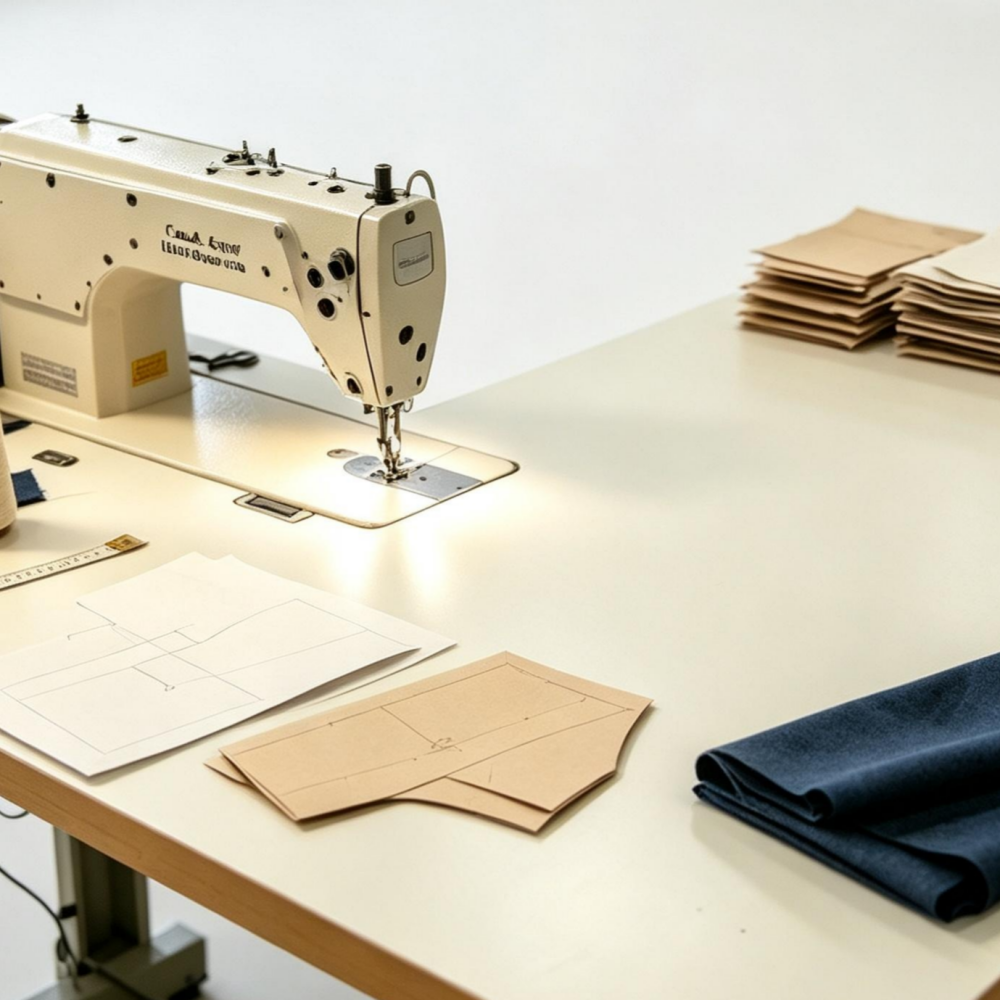


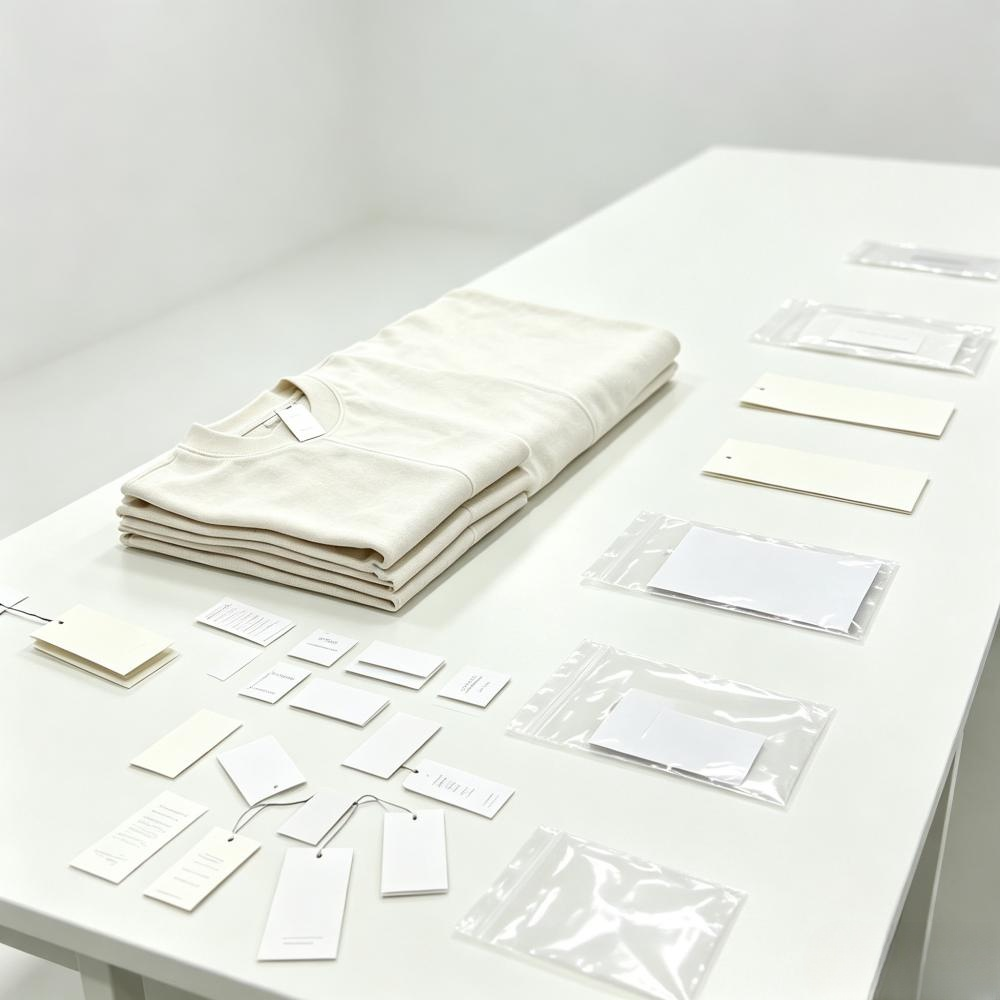


As swimming, water sports, and beach activities continue to gain popularity, swimwear has become an important category within the global apparel industry. Modern swimwear is designed for more than appearance alone. It needs to provide comfort, flexibility, durability, and reliable performance in wet environments. For swimwear manufacturers, achieving these qualities requires careful attention to fabric selection, garment construction, fit development, and production quality.
1. Fabric Selection for Swimwear Manufacturing
Fabric is one of the most important factors in swimwear manufacturing because it directly affects garment flexibility, comfort, durability, and overall performance.
Polyester and nylon are two commonly used materials in swimwear production. Both can be blended with elastane or spandex to provide the stretch and recovery needed for a close-fitting garment.
Nylon-spandex fabrics are often selected for their soft hand feel, smooth surface, and excellent elasticity. They are suitable for various fashion swimwear designs, including bikinis, one-piece swimsuits, and other fitted styles.
Polyester-spandex fabrics are also widely used, particularly in swimwear requiring good shape retention and resistance to repeated exposure to chlorine and sunlight. The specific performance depends on the fabric composition, yarn structure, and finishing treatments.
When selecting materials, manufacturers should consider several key properties:
- Stretch and Recovery: Fabrics should stretch comfortably and return to their original shape after repeated movement.
- Chlorine Resistance: Suitable materials can help maintain fabric performance during repeated swimming pool use.
- UV Resistance: Appropriate fabric selection and treatments can help reduce the effects of prolonged sunlight exposure.
- Colorfastness: Materials should maintain their appearance when exposed to water, sunlight, and regular washing.
- Softness and Comfort: Smooth, skin-friendly fabrics contribute to a more comfortable wearing experience.
Choosing the right fabric according to the intended application is essential for producing swimwear that meets different customer and market requirements.
2. Fit and Construction in Custom Swimwear Design
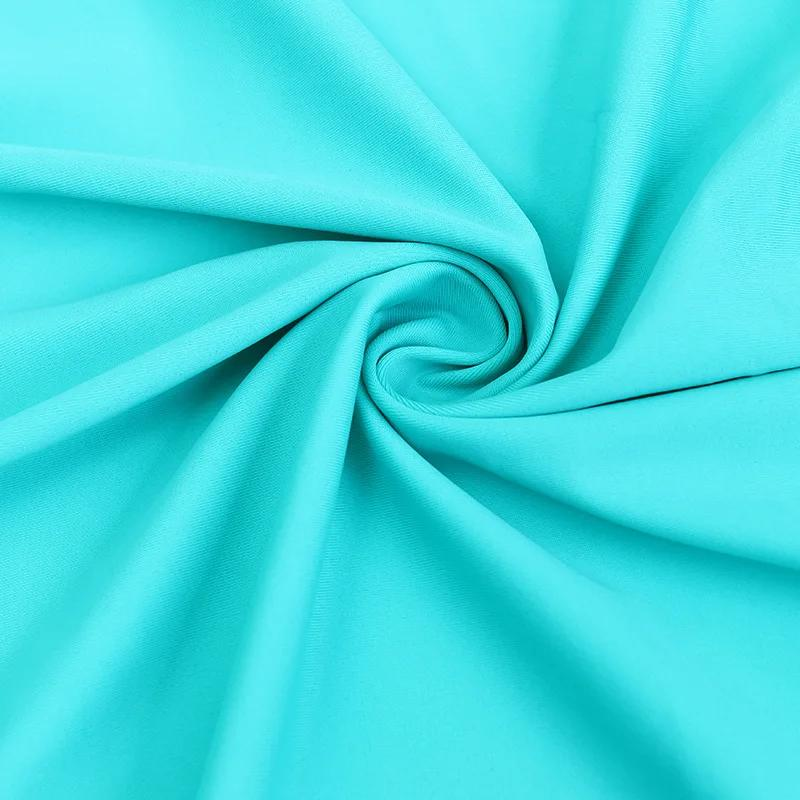
A well-developed fit is essential for modern swimwear. Unlike loose-fitting casual clothing, most swimwear is designed to follow the body’s contours while maintaining sufficient flexibility for swimming and other water-based activities.
Different swimwear styles require different pattern structures and construction methods. One-piece swimsuits need balanced body proportions and appropriate stretch distribution, while bikinis require careful development of top and bottom patterns to achieve a secure and comfortable fit.
Several construction details deserve particular attention:
- Shoulder Straps: Strap width, placement, and elasticity influence garment support and stability.
- Neckline Design: Different neckline structures affect appearance, coverage, and wearing comfort.
- Waist Construction: Elastic waistbands and carefully developed patterns help maintain a secure fit.
- Seam Placement: Appropriate seam positioning helps reduce friction and improve garment appearance.
- Lining and Support: Suitable lining fabrics and optional padding can improve coverage, structure, and comfort.
For swimwear manufacturers, accurate pattern development and sample fitting are important steps in ensuring that the final garment matches the intended design and measurement specifications.
3. Comfort and Durability in Swimwear Production
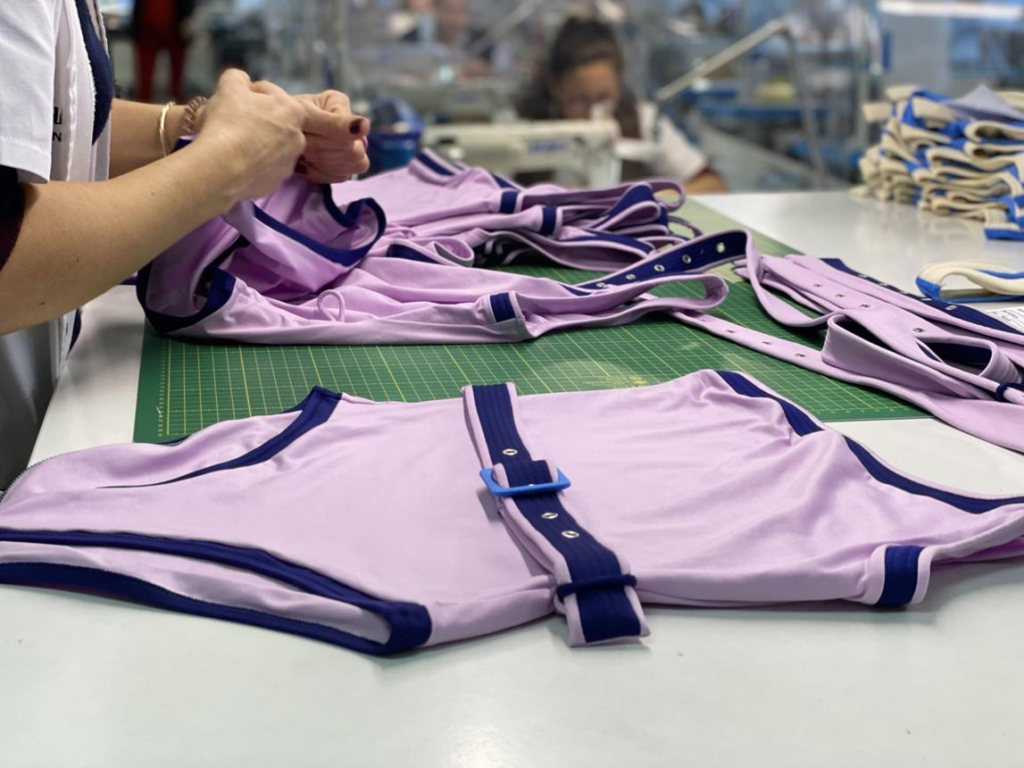
Comfort is a fundamental requirement for swimwear because garments remain in direct contact with the skin during swimming and other water activities.
Fabric softness, elasticity, lining selection, and seam construction all influence the overall wearing experience. Poorly positioned seams or unsuitable elastic materials may cause discomfort, particularly around the shoulders, waist, and leg openings.
Durability is equally important. Swimwear is regularly exposed to moisture, stretching, sunlight, chlorine, and repeated washing. These conditions can affect fabric elasticity, color appearance, and garment shape over time.
To improve product quality, manufacturers need to pay attention to fabric testing, elastic selection, stitching consistency, and finishing processes. Proper quality inspection can help identify issues such as uneven seams, inconsistent measurements, loose threads, and printing defects before products are shipped.
4. Popular Swimwear Styles and Customization Options
The swimwear market includes a wide variety of designs to accommodate different preferences, age groups, and water-based activities. As fashion trends and consumer requirements continue to evolve, customization has become an important part of swimwear product development.
Common swimwear categories include:
- One-Piece Swimsuits: Designed with an integrated body structure, offering different coverage levels and styling options.
- Bikinis: Two-piece swimwear available in various top and bottom combinations.
- Tankinis: Combining a tank-style top with separate bottoms for a versatile design.
- Sports Swimwear: Developed with functional construction and secure fits for swimming and water sports.
- Kids’ Swimwear: Designed with comfortable fabrics, practical coverage, and age-appropriate patterns.
- Plus Size Swimwear: Developed with careful attention to fit, support, and proportion.
Customization options may include fabric composition, colors, prints, patterns, lining, straps, padding, and decorative details. For private label businesses, these options provide opportunities to develop distinctive swimwear collections that reflect their product positioning and design requirements.
5. Key Manufacturing Processes for Swimwear
Producing quality swimwear requires specialized knowledge of stretch fabrics, pattern construction, sewing techniques, and finishing standards. Each manufacturing stage contributes to the fit, appearance, and performance of the finished garment.
A typical swimwear manufacturing process includes the following steps:
- Design Development: Confirming styles, measurements, technical specifications, colors, and construction details.
- Fabric Sourcing: Selecting suitable nylon, polyester, spandex, lining, and elastic materials according to product requirements.
- Pattern Making: Developing patterns that account for fabric stretch, garment coverage, and intended fit.
- Sample Production: Creating prototypes to evaluate measurements, construction, fabric performance, and overall appearance.
- Fabric Cutting: Cutting stretch materials accurately while maintaining consistent pattern dimensions.
- Sewing and Assembly: Using suitable sewing techniques and stretch stitches to assemble garment components.
- Finishing and Inspection: Checking seams, elastic tension, measurements, lining, color consistency, and workmanship.
- Packing and Delivery: Completing labeling, folding, packaging, and order preparation according to customer requirements.
Throughout the production process, quality control is essential for maintaining consistency between approved samples and bulk orders.
6. Trends in Modern Swimwear Development
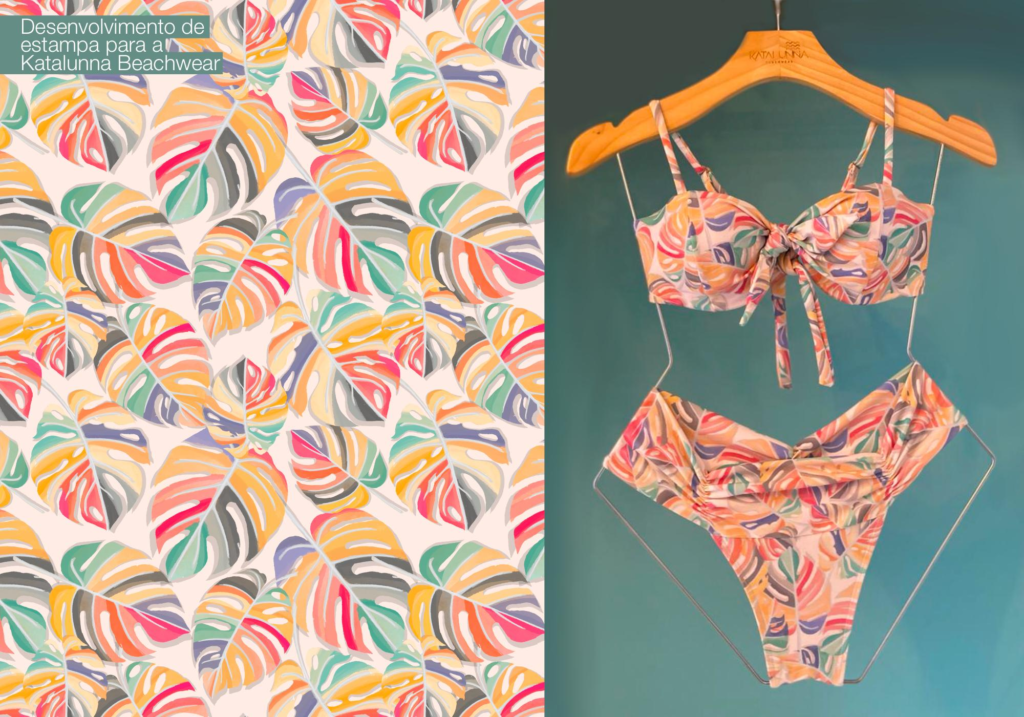
Swimwear design continues to evolve as consumers look for products that combine functionality, comfort, and contemporary style.
Fashion-oriented swimwear increasingly incorporates different colors, prints, textures, and silhouettes. At the same time, performance-focused products place greater emphasis on stretch recovery, secure construction, lightweight materials, and resistance to environmental factors.
Versatility is another important direction in swimwear development. Many designs are now created for multiple settings, including swimming pools, beach vacations, water sports, and resort leisure. This encourages manufacturers to explore different fabric combinations, garment structures, and styling details.
Sustainability is also receiving greater attention in the apparel industry. Recycled polyester and other alternative materials are being explored in swimwear production, although their suitability depends on the required performance, durability, and product specifications.
As fabric technology and garment manufacturing methods continue to advance, swimwear is expected to offer more diverse options for different activities, markets, and consumer preferences.
7. Choosing a Reliable Swimwear Manufacturer
For apparel brands, retailers, and businesses developing swimwear collections, choosing the right manufacturing partner is an important part of product development.
A capable swimwear manufacturer should understand the specific requirements of stretch fabrics, pattern development, elastic application, lining construction, and garment finishing. Experience with different swimwear styles is also valuable when handling customized designs and varied product specifications.
At VEV Apparel, we provide OEM and ODM apparel manufacturing solutions to support businesses throughout the garment production process. From initial design development and fabric selection to sample making, bulk production, and quality inspection, we focus on turning product concepts into finished apparel.
Whether you are developing bikinis, one-piece swimsuits, sports swimwear, or private label swimwear collections, VEV Apparel can support your project with customized manufacturing solutions based on your design and production requirements.