
As yoga continues to gain popularity worldwide, demand for comfortable, flexible, and durable yoga apparel is growing. From yoga leggings and sports bras to fitted tops and lightweight training wear, consumers expect garments that support natural movement while maintaining a comfortable fit. For apparel manufacturers, meeting these expectations requires careful attention to fabric selection, pattern development, garment construction, and quality control.
Unlike conventional clothing, yoga apparel must accommodate a wide range of movements, including stretching, bending, twisting, and different exercise positions. Every stage of yoga apparel manufacturing therefore plays an important role in determining the final garment’s fit, flexibility, durability, and overall wearing experience.
Fabric Selection for Yoga Apparel
Fabric selection is one of the most important considerations in yoga apparel manufacturing. Since yoga garments are designed for frequent movement and extended wear, materials need to provide a suitable balance of softness, stretch, breathability, and shape retention.
Common fabric choices include polyester-spandex, nylon-spandex, and other stretch fabric blends. These materials offer different combinations of elasticity, durability, moisture management, and surface texture to meet the requirements of various yoga clothing styles.
For example, yoga leggings and fitted tops require fabrics with sufficient stretch and recovery to maintain their shape after repeated movement. Softness and breathability are also important for improving wearing comfort during longer practice sessions.
Before production begins, manufacturers should inspect incoming fabrics for defects, color consistency, dimensional stability, and other material characteristics. Proper fabric selection and inspection provide a reliable foundation for subsequent manufacturing processes.
Pattern Development and Precision Cutting
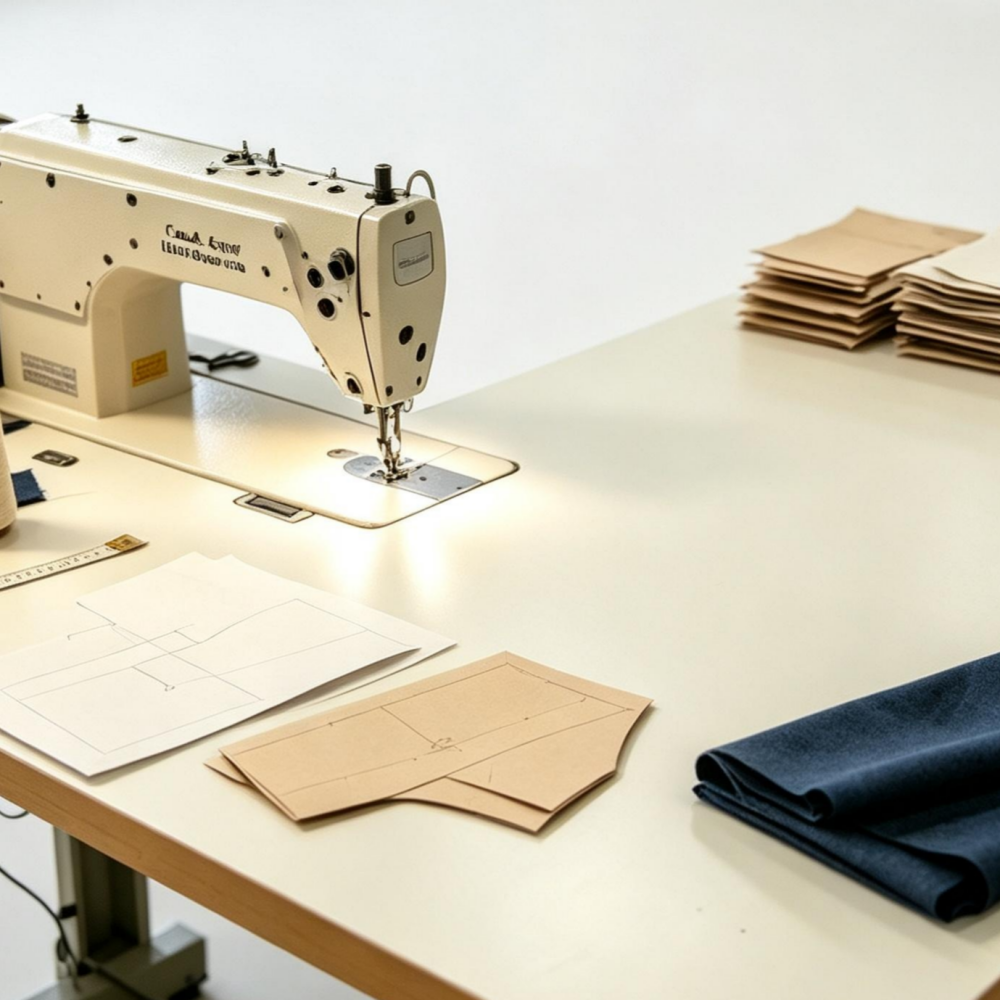
Pattern development directly influences the fit, flexibility, and appearance of yoga apparel. Different garment styles require different pattern structures to accommodate body movement while maintaining appropriate coverage and support.
Yoga leggings, for example, often feature carefully designed waistbands, crotch construction, and panel shapes to improve fit and reduce discomfort during stretching. Yoga tops and sports bras may require additional consideration of shoulder positioning, armhole shaping, and garment support.
Once patterns are finalized, fabric spreading and cutting must be carried out with precision. Manufacturers need to consider fabric stretch direction, pattern alignment, and cutting accuracy to ensure that individual garment components maintain their intended dimensions.
Proper cutting techniques help minimize fabric distortion, improve material utilization, and ensure that different panels can be assembled accurately during sewing. These details contribute to consistent sizing and overall product quality.
Sewing Techniques and Garment Construction
Sewing is a critical stage in yoga apparel manufacturing because garments are frequently stretched and exposed to repeated movement during use. Weak seams or unsuitable stitching methods can affect both garment durability and wearing comfort.
Manufacturers need to select appropriate threads, stitch types, and sewing techniques according to fabric properties and garment construction requirements. Flatlock stitching is commonly used in yoga wear because its relatively flat seam structure can help reduce friction against the skin.
Overlock stitching is also widely applied to stretch garments, providing flexibility and secure edge finishing. For certain designs, bonded seams and specialized construction methods may be used to create a smoother appearance and reduce unnecessary seam bulk.
Areas such as waistbands, crotch seams, shoulders, and underarms require particular attention because they experience frequent movement and tension. Consistent sewing quality and proper seam reinforcement help ensure that finished garments maintain their structure through regular use.
Finishing Processes and Quality Control
After sewing and assembly, yoga apparel goes through several finishing procedures, including thread trimming, pressing where appropriate, measurement checks, appearance inspection, and packaging.
Quality control helps ensure that finished garments meet the required product specifications. Common inspection points include garment dimensions, stitching consistency, seam strength, fabric appearance, color uniformity, and overall construction quality.
For stretch garments, additional attention should be given to elasticity and shape recovery. Waistbands and other fitted sections should maintain their intended structure without unnecessary deformation. Consistent inspection standards throughout production help reduce defects and improve the uniformity of bulk orders.
A well-managed quality control system also allows manufacturers to identify potential production issues earlier and maintain more reliable manufacturing results.
Trends in Modern Yoga Apparel Manufacturing
As consumer expectations continue to evolve, yoga apparel manufacturing is placing greater emphasis on functional materials, improved garment construction, and more efficient production methods.
Fabric innovation is an important part of this development. Stretch materials with improved softness, moisture management, and recovery properties are increasingly used in yoga clothing. Manufacturers are also exploring recycled polyester, recycled nylon, and other alternative materials as sustainability becomes a more important consideration in apparel development.
At the production level, improvements in digital pattern development, automated cutting, and manufacturing management systems are helping improve accuracy and workflow efficiency. These technologies allow manufacturers to better manage different garment specifications while maintaining consistent product quality.
Choosing a Reliable Yoga Wear Manufacturer
Successful yoga apparel development requires more than an attractive design. Fabric performance, pattern accuracy, sewing quality, and production consistency all influence the final product. Working with an experienced yoga wear manufacturer can help apparel businesses manage these requirements more effectively.
From fabric sourcing and pattern development to sample making, bulk production, and final inspection, each manufacturing stage needs to be carefully coordinated. Clear communication and a well-organized production process are essential for turning product concepts into finished garments.
At VEV Apparel, we provide apparel manufacturing solutions covering product development, fabric selection, sampling, and bulk garment production. With attention to material characteristics and garment construction, we support different apparel projects and product requirements.
Whether you are developing yoga leggings, sports bras, fitted yoga tops, or other activewear products, choosing the right manufacturing partner can help bring your designs to life while maintaining consistent quality and production standards.