
As fitness and active lifestyles continue to influence consumer demand, activewear has become an important category in the global apparel market. From sports leggings and yoga wear to training tops and performance jackets, consumers expect activewear to deliver comfort, flexibility, durability, and functional performance. For apparel manufacturers, meeting these expectations requires careful material selection, precise garment construction, and consistent production management.
Modern activewear manufacturing involves more than simply producing sports clothing. Every stage, from initial design and fabric development to cutting, sewing, and final inspection, contributes to the fit, appearance, and overall performance of the finished garment.
Fabric Selection for Functional Activewear
Fabric selection is a fundamental part of activewear manufacturing because material properties directly affect comfort, flexibility, and performance. Depending on the intended application, manufacturers may work with polyester, nylon, spandex, and blended fabrics to achieve different functional characteristics.
Stretch and recovery are particularly important for leggings, sports bras, and other fitted garments. Fabrics need to accommodate body movement while maintaining their original shape after repeated stretching. Breathability and moisture management are also important considerations, especially for garments designed for running, fitness training, and other high-intensity activities.
In addition to functional properties, manufacturers must consider fabric weight, texture, color consistency, and durability. Selecting suitable materials during the development stage helps ensure that the finished activewear meets both design requirements and practical wearing expectations.
Pattern Development and Precision Cutting
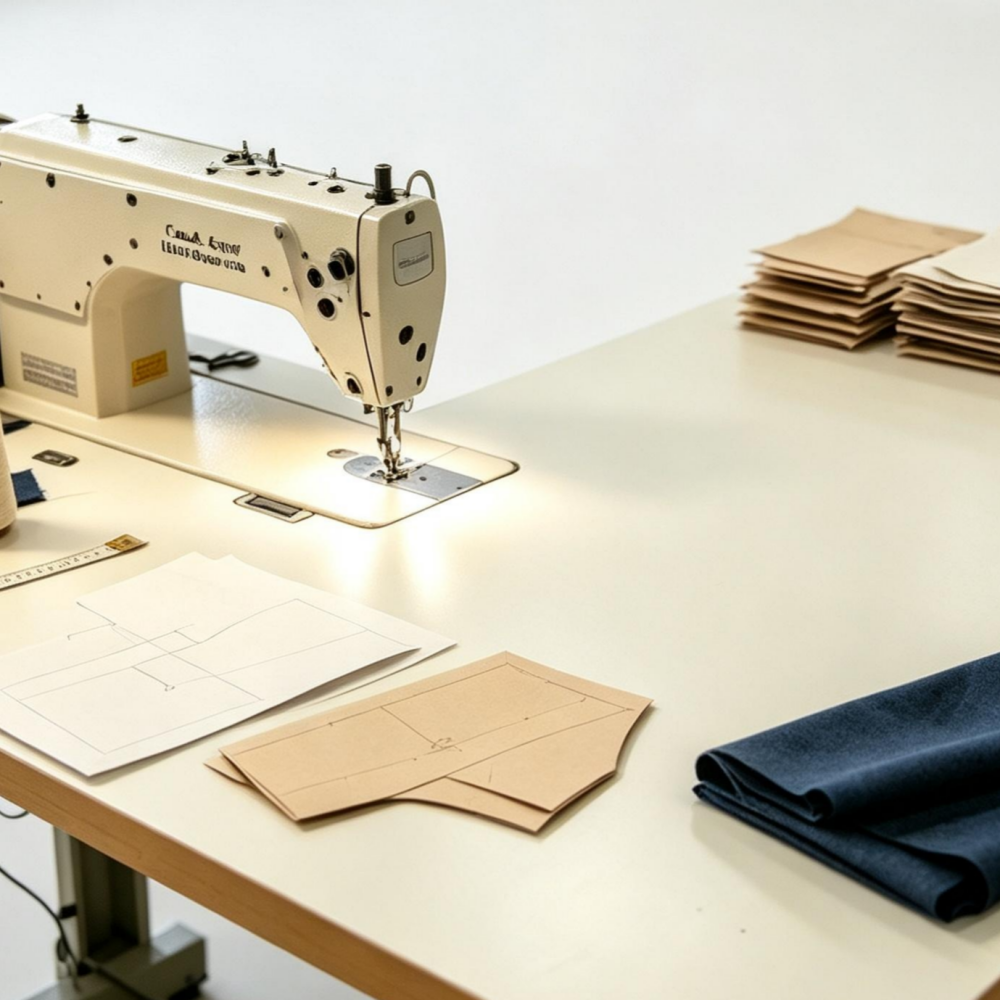
Pattern development plays an important role in determining the fit, structure, and comfort of activewear. Unlike many conventional garments, sportswear often requires greater flexibility and carefully designed garment panels to support different types of physical movement.
For example, yoga leggings need to provide sufficient stretch and a secure fit, while sports bras require appropriate support and carefully positioned seams. Training tops and sports jackets may also incorporate ergonomic shaping to improve mobility and wearing comfort.
After pattern development, fabric spreading and cutting must be carefully controlled to maintain dimensional accuracy. For stretch fabrics, proper handling is especially important to prevent unnecessary fabric distortion during cutting. Accurate cutting helps ensure that individual garment components fit together correctly during sewing and assembly.
Sewing Techniques and Garment Construction
Sewing quality has a direct impact on the durability and performance of activewear. Since sports garments are frequently exposed to stretching, friction, and repeated movement, manufacturers need to select appropriate stitching methods and construction techniques according to the fabric and garment design.
Flatlock seams are commonly used in performance apparel because they can help reduce seam bulk and minimize skin irritation. Reinforced stitching may also be required in high-stress areas such as waistbands, armholes, crotch seams, and shoulder connections.
For certain activewear designs, seamless construction or bonded details can provide a smoother appearance and reduce friction. The choice of construction method depends on the garment’s intended function, material characteristics, and design specifications.
A reliable activewear manufacturer must pay close attention to stitch density, seam strength, thread selection, and sewing consistency throughout production to maintain product quality.
Finishing Processes and Quality Control
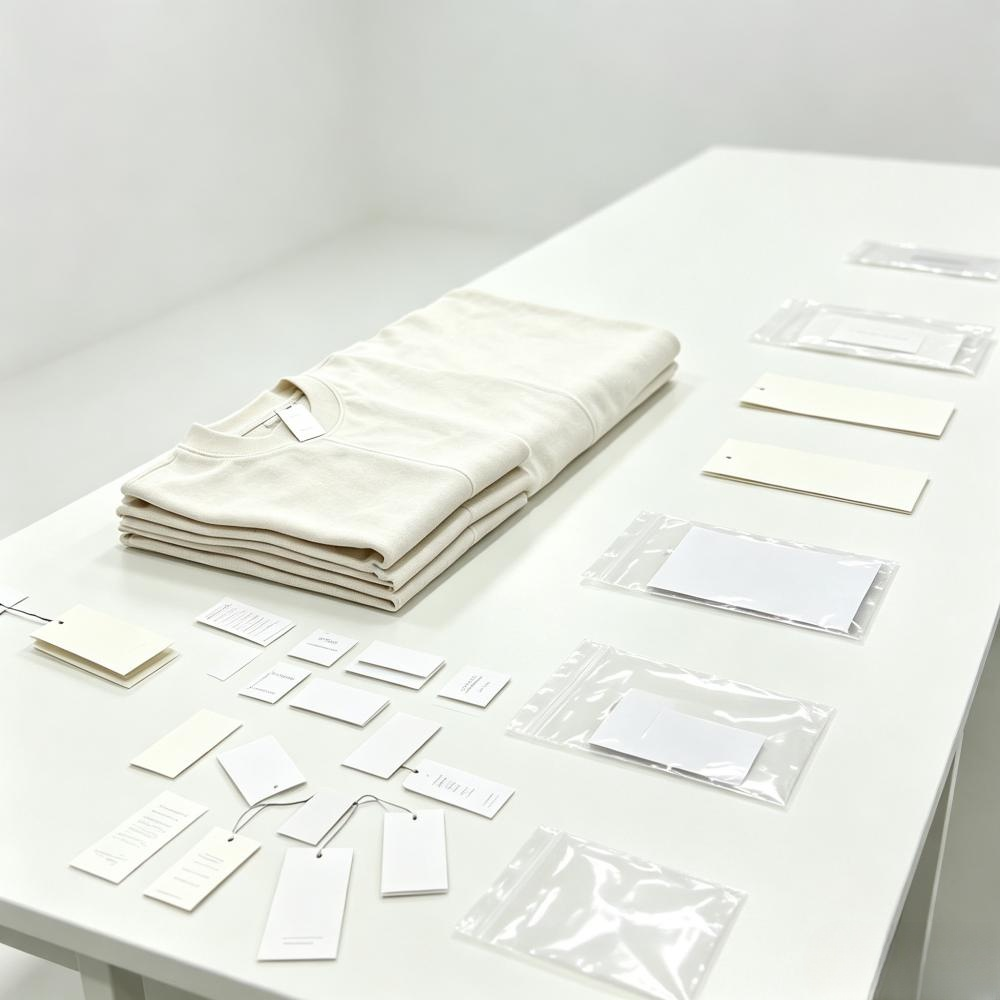
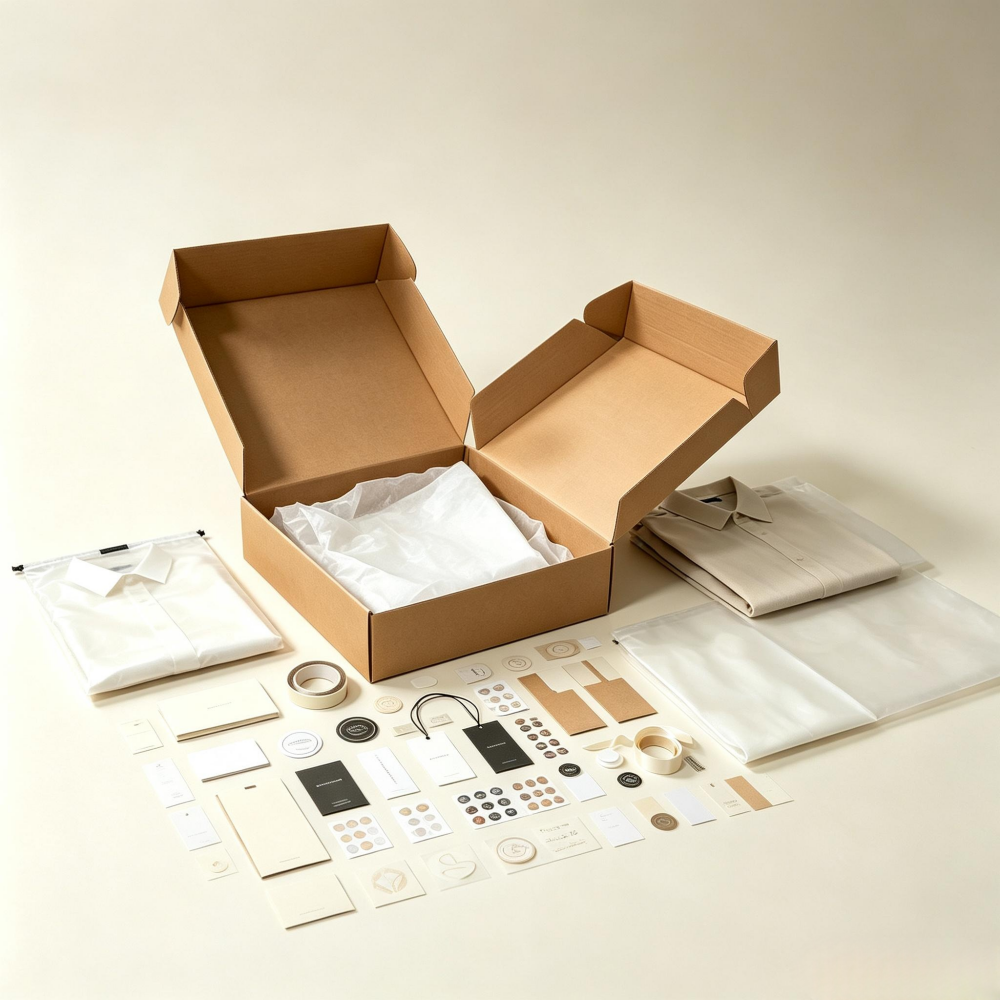
After sewing and assembly, activewear goes through a series of finishing procedures, including thread trimming, pressing where appropriate, measurement checks, visual inspection, and packaging.
Quality control is essential for ensuring that finished garments meet the required specifications. Common inspection points include garment measurements, stitching consistency, seam strength, fabric defects, color uniformity, and the appearance of functional components.
For performance-oriented garments, additional attention may be given to stretch recovery, fabric behavior, and the durability of construction details. Maintaining clear production standards and systematic inspection procedures helps reduce manufacturing defects and improve consistency across bulk orders.
Trends in Modern Activewear Manufacturing
The activewear market continues to evolve as consumers seek garments that combine performance, comfort, and contemporary design. This has encouraged apparel manufacturers to explore improved textile materials, more efficient production methods, and increasingly specialized garment construction techniques.
Sustainability is also becoming an important consideration in activewear development. Recycled polyester, recycled nylon, and other alternative materials are receiving greater attention as manufacturers and apparel brands explore different approaches to material sourcing and product development.
At the same time, improvements in pattern development, digital production management, and manufacturing technology are helping streamline production workflows. These developments allow manufacturers to respond more effectively to changing product requirements while maintaining consistent quality.
Choosing the Right Activewear Manufacturing Partner
Developing successful activewear products requires cooperation between product designers, material suppliers, and garment manufacturers. A capable manufacturing partner should understand the technical requirements of different sportswear categories and be able to translate product specifications into finished garments.
From fabric sourcing and sample development to bulk production and quality inspection, every stage needs to be managed carefully. Clear communication, reliable production planning, and attention to construction details are essential for achieving consistent results.
At VEV Apparel, we understand the importance of combining garment construction expertise with practical manufacturing solutions. From fabric selection and product development to sampling and bulk production, we work with apparel businesses to support different garment requirements and production needs.
Whether you are developing sports leggings, training tops, yoga wear, or other performance apparel, choosing an experienced manufacturing partner can help turn your product concepts into finished garments ready for the market.