
Dress manufacturing involves multiple stages, from fabric preparation and pattern cutting to sewing, finishing, and final quality inspection. Different dress styles require different construction methods depending on their silhouettes, fabrics, sizes, and decorative details. Maintaining consistent standards throughout production is essential for achieving the intended appearance, fit, comfort, and durability of the finished garments.
For apparel manufacturers, clothing brands, and sourcing professionals, understanding the dress manufacturing process helps establish clear production requirements and reduce quality issues. Careful planning, accurate specifications, and systematic quality control all contribute to more consistent results across production batches.
Fabric Inspection and Preparation
Fabric preparation is the foundation of a reliable dress manufacturing process. Before cutting begins, materials should be inspected for defects that may affect the finished garment, including stains, holes, weaving irregularities, color variations, and surface damage.
Fabric properties must also be considered during preparation. Cotton, linen, viscose, polyester, and stretch fabrics can behave differently during washing, pressing, and sewing. Depending on the material, appropriate pre-shrinking, relaxation, or other preparation procedures may be necessary to help manage dimensional changes.
During fabric spreading, layers should be aligned carefully and kept free from excessive tension, wrinkles, and folds. Correct fabric direction is particularly important for materials with directional prints, nap, texture, or visible surface patterns.
Effective fabric preparation helps reduce cutting errors, improve material utilization, and establish a consistent foundation for subsequent production stages.
Accurate Pattern Making and Fabric Cutting
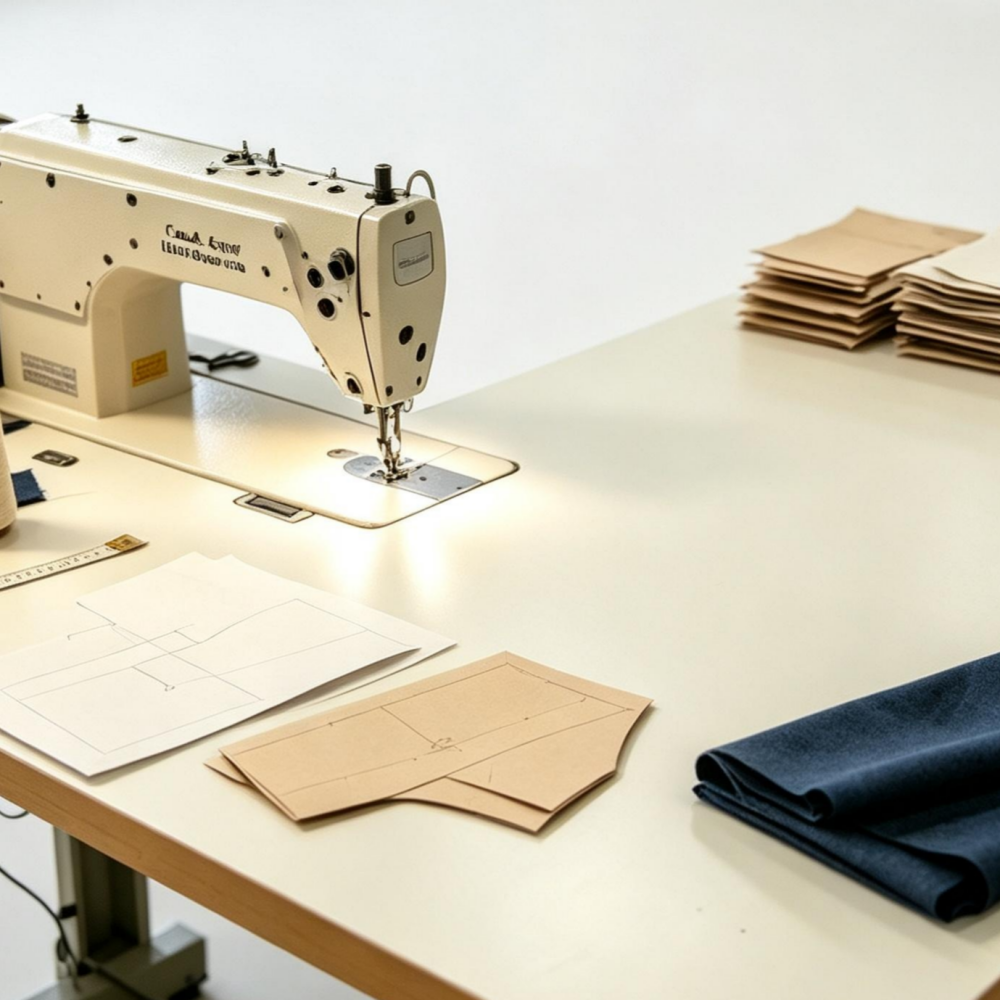
Pattern accuracy directly influences the fit, proportions, and overall appearance of a dress. Before bulk cutting, manufacturers should confirm that the approved patterns correspond to the required measurements, size range, and design specifications.
Key areas such as the neckline, shoulders, armholes, waistline, sleeves, and hem require particular attention. Small inaccuracies in these areas can affect garment balance, movement, and fitting consistency.
For printed, striped, or checked fabrics, pattern placement and alignment should be carefully planned. Matching visible patterns across seams can improve the garment’s overall appearance, although the exact requirements depend on the design and material.
Fabric layout is another important consideration. Efficient marker planning can reduce unnecessary waste while maintaining the correct grain direction and ensuring that garment pieces meet the approved specifications.
For apparel businesses developing multiple sizes or styles, clear pattern documentation and controlled revisions help maintain consistency between samples and bulk production.
Sewing Quality and Garment Construction
Sewing is a critical stage in dress manufacturing because it affects structural strength, wearing comfort, and visual quality. Different fabrics and dress designs may require different seam constructions, stitch types, and machine settings.
Shoulder seams, side seams, sleeve attachments, necklines, waist sections, and closures should be assembled accurately and securely. Stitch density, thread tension, and seam allowance should be appropriate for the selected fabric and construction method.
Lightweight materials may require finer stitching and specialized seam finishes, while heavier fabrics may need stronger seams or different needle and thread combinations. Stretch fabrics also require suitable sewing techniques to help seams retain flexibility during wear.
Functional components such as zippers, buttons, hooks, and waist belts should be attached securely and checked for proper operation. The hem deserves particular attention because uneven length, inconsistent width, or poor finishing can affect the appearance of the entire dress.
Consistent sewing standards help improve garment durability and reduce common defects, including skipped stitches, loose threads, puckering, uneven seams, and distorted fabric.
Decorative Details and Special Finishing Techniques
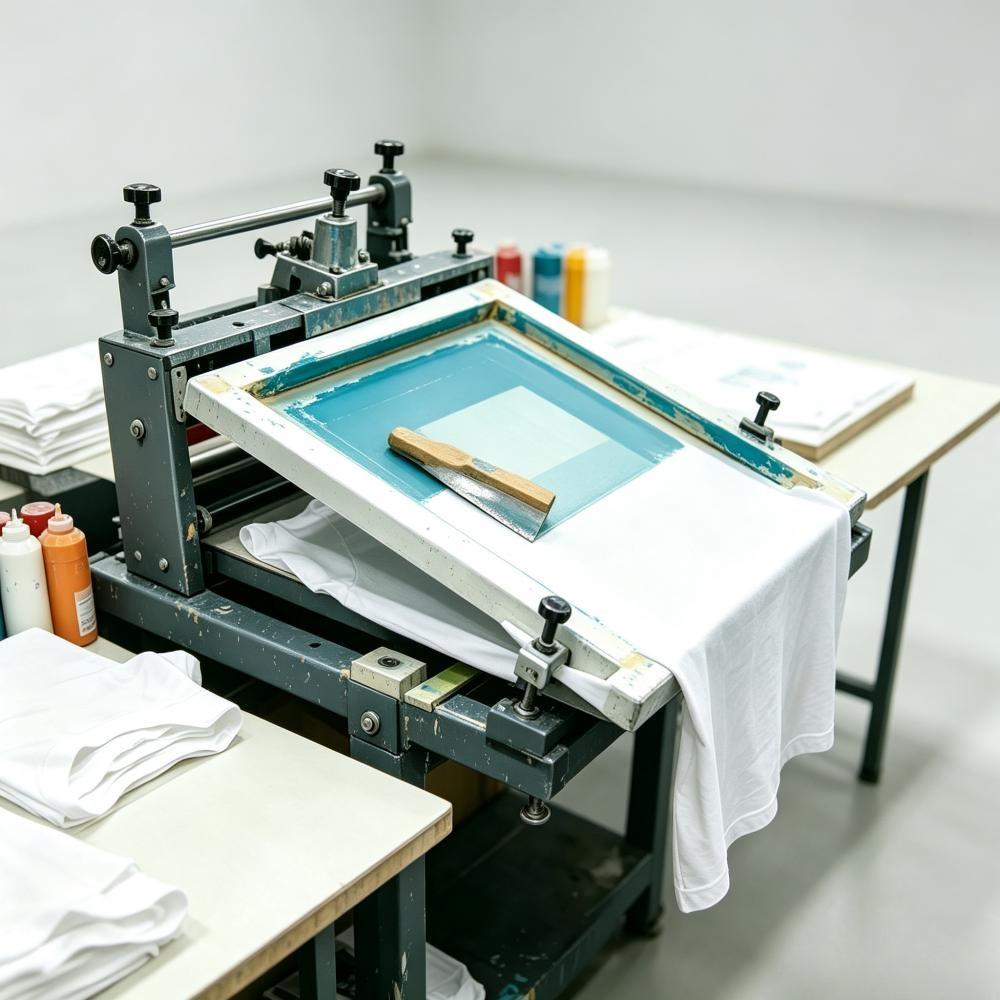
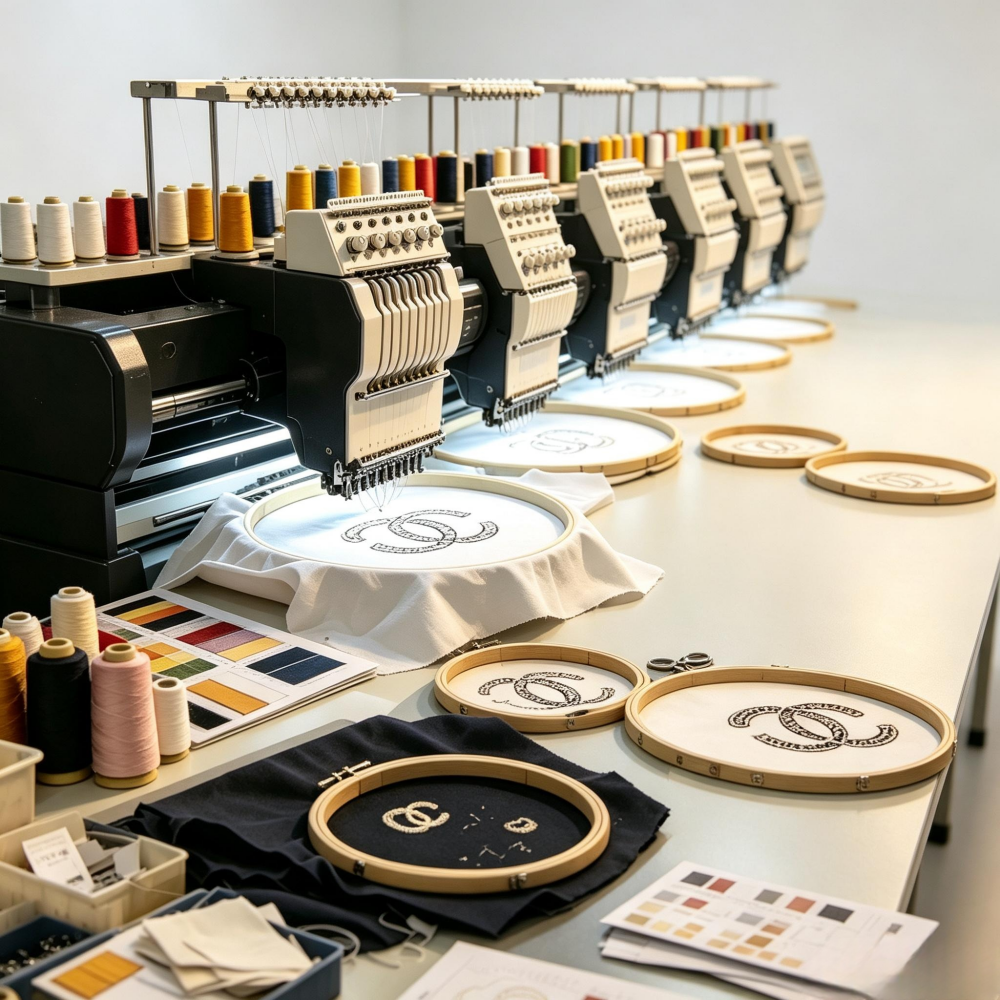
Many dress designs include decorative elements that require additional production controls. Common examples include embroidery, printing, lace panels, pleats, gathers, appliqués, decorative buttons, and contrast trims.
These details should follow the approved design specifications in terms of placement, dimensions, color, and finishing quality. Embroidery and printing, for example, should be checked for alignment, clarity, consistency, and compatibility with the base fabric.
Pleats and gathers require careful measurement and distribution to maintain the intended shape. Lace and other delicate materials may need specialized handling to prevent distortion or damage during sewing.
Manufacturers should also consider how decorative components affect garment comfort, flexibility, and care requirements. Appropriate finishing techniques help ensure that visual details remain consistent without compromising the garment’s practical performance.
Pressing, Measurement, and Final Inspection
After sewing and assembly, dresses typically undergo pressing, measurement checks, and visual inspection before packaging. These steps help identify defects and verify whether the finished garments meet the approved specifications.
Dimensional checks may include garment length, chest width, waist circumference, shoulder width, sleeve length, and other measurements relevant to the design. Acceptable tolerances should be established in advance according to the product requirements.
Visual inspection should cover stitching quality, seam alignment, fabric appearance, color consistency, decorative details, closures, and hem finishing. Garments should also be checked for stains, damage, loose threads, and other visible defects.
Pressing requirements depend on the fabric and garment construction. Appropriate temperature, pressure, and handling methods are important for avoiding shine marks, scorching, shrinkage, or unwanted deformation.
For larger production orders, consistent inspection procedures and documented quality standards can help teams identify recurring problems and improve manufacturing performance over time.
Quality Control Throughout the Dress Manufacturing Process
Effective garment quality control should not be limited to the final inspection stage. Integrating checks throughout production makes it easier to identify problems before they affect larger quantities of garments.
A practical quality management process may include incoming fabric inspection, pattern and cutting checks, in-line sewing inspection, measurement verification, finishing checks, and final garment inspection.
Clear product specifications are essential at every stage. These may cover fabric composition, color references, measurement charts, stitching requirements, print placement, labeling, packaging, and acceptable defect limits.
Sample approval is another important control point. Before bulk production begins, the approved sample should serve as a reference for fit, construction, materials, and finishing details. Any subsequent changes should be communicated and documented to avoid inconsistencies.
For apparel brands and buyers, communicating quality expectations early helps align design requirements with manufacturing capabilities and provides a clearer basis for evaluating finished products.
Working with an Apparel Manufacturing Partner
Developing a dress collection requires coordination between design, material selection, technical specifications, sampling, production, and quality management. An experienced apparel manufacturing partner can help businesses organize these requirements and translate design concepts into production-ready garments.
When evaluating a manufacturing partner, buyers should consider fabric sourcing capabilities, pattern development, sample production, sewing expertise, quality control procedures, and communication throughout the order process. Production planning should also account for garment complexity, order quantities, material availability, and delivery requirements.
At VEV Apparel, understanding product specifications is an important part of apparel development. Clearly defined requirements for fabrics, measurements, construction, colors, and finishing help establish a practical production plan and support communication between buyers and manufacturing teams.
Whether a project involves a simple casual dress or a design with more complex construction details, careful preparation and consistent production standards are essential to achieving the intended result.
Conclusion
The dress manufacturing process involves much more than cutting and sewing fabric. Fabric preparation, pattern accuracy, garment construction, decorative techniques, pressing, and quality inspection all contribute to the final product.
By establishing clear specifications and maintaining quality checks throughout production, apparel manufacturers can improve consistency, reduce avoidable defects, and produce dresses that meet the required standards for fit, appearance, comfort, and durability.
For clothing brands and apparel buyers, understanding these manufacturing requirements provides a useful foundation for planning new collections and working effectively with production partners.