
Intro
For years, Western consumers have enjoyed ultra-low-priced goods shipped directly from China via Temu, Shein and AliExpress. Cheap apparel, home goods, accessories and gadgets arrived at doorsteps at price points local retailers simply could not match. This era of $5–$10 direct-from-China shipping is now facing major regulatory headwinds in the EU and the United States.
What Changed: The New Rules Targeting Low-Cost Chinese Cross-Border Goods
The biggest shift came from the EU starting July 1, 2026: the end of the VAT and tariff exemption for parcels under €150. Every imported low-value package now faces a fixed per-item customs charge, and extra handling fees will be added later this year.
On top of that, France’s anti-ultra-fast fashion law targets disposable low-cost clothing. Shein, Temu and AliExpress face steep per-item fines, rising gradually up to €20 per garment by 2030, plus advertising restrictions for ultra-fast fashion products. The US has also rolled back historic low-value import exemptions that benefited Temu’s model.
The math hits hardest on cheap items. A €5 t-shirt that once crossed borders duty-free may now carry customs fees that make the final price jump dramatically. Many price-sensitive shoppers are starting to see smaller savings when ordering from these platforms.
Sales data from France already shows the impact: Temu’s sales dropped sharply after the rules took effect, while Shein and AliExpress also lost volume, as platforms raised average order values to offset extra costs.
Why Local Western Brands Now Have Better Competitive Leverage
The advantage of Chinese cross-border platforms was built on three pillars: zero or low import tax, low manufacturing cost, cheap direct shipping. When those pillars weaken, local brands’ natural strengths become more competitive:
- Faster delivery & easier returns Local inventory means 1–3 day shipping and simple local return policy. Many consumers are tired of long wait times, uncertain customs delays and complicated return processes from overseas direct shipping. This becomes a strong selling point, especially for apparel, home goods and daily essentials.
- Lower regulatory risk and trust Western native brands comply with local product safety, labeling, environmental and consumer protection rules by default. Shoppers and regulators are increasingly wary of counterfeits, poor quality and sustainability issues associated with ultra-cheap imports. Partnering with a seasoned custom apparel manufacturer in china such as vevapparel enables brands to create durable, well-made garments that align with modern sustainability expectations, without falling into the throwaway fast-fashion trap.
- Stable pricing, no surprise customs fees at checkout A major pain point for Temu / Shein buyers: unexpected taxes and customs charges added after checkout. Local brands show full, final pricing upfront. For family shoppers and repeat buyers, price predictability beats the headline “super low” price that balloons at delivery. A professional china apparel manufacturer can help brands design production runs to keep cost predictable, so brands can set stable retail pricing for end customers.
- Community & brand loyalty DTC native brands can build audiences on Instagram, TikTok and email with local creator partnerships, community content and localized customer service — something large global marketplaces struggle to replicate.

But This Is Not an Automatic Win — The Limits of the Opportunity
This is not a situation where local brands automatically capture all the lost market share. Important caveats:
- Chinese platforms are adapting quickly. Shein is shifting more European inventory to EU local warehouses; Temu is adjusting pricing, order bundling and supply chain models to absorb tariffs. They remain price competitors, just less dramatically cheap than before.
- Consumers still care deeply about price. Many budget buyers will continue to shop these platforms, grouping multiple items into one order to reduce per-item tax cost.
- Local brands still face higher production costs. Western manufacturing or regional manufacturing has higher labor costs. Winning will require selling value, not trying to match the old $3–$10 price war.
- Competition is crowded. Amazon Haul and other large retail platforms are also targeting this price-sensitive segment, competing directly for the same shoppers.
What Should Western Brands Focus On to Capture This Market?
The sweet spot is mid-value, trusted, fast-shipping alternatives, not trying to compete on rock-bottom prices. Here are actionable directions:
- Target price tiers of $20–$60 for everyday essentials, where the price gap between local brands and imported goods has shrunk the most.
- Lean into sustainability, ethical sourcing and product durability. This is exactly where fast fashion imports are weakest and regulations are tightening. Working with a reliable china apparel manufacturer like vevapparel, your brand can produce custom clothing that meets EU and US compliance standards.
- Prioritize fast fulfillment, simple free returns and transparent all-in pricing.
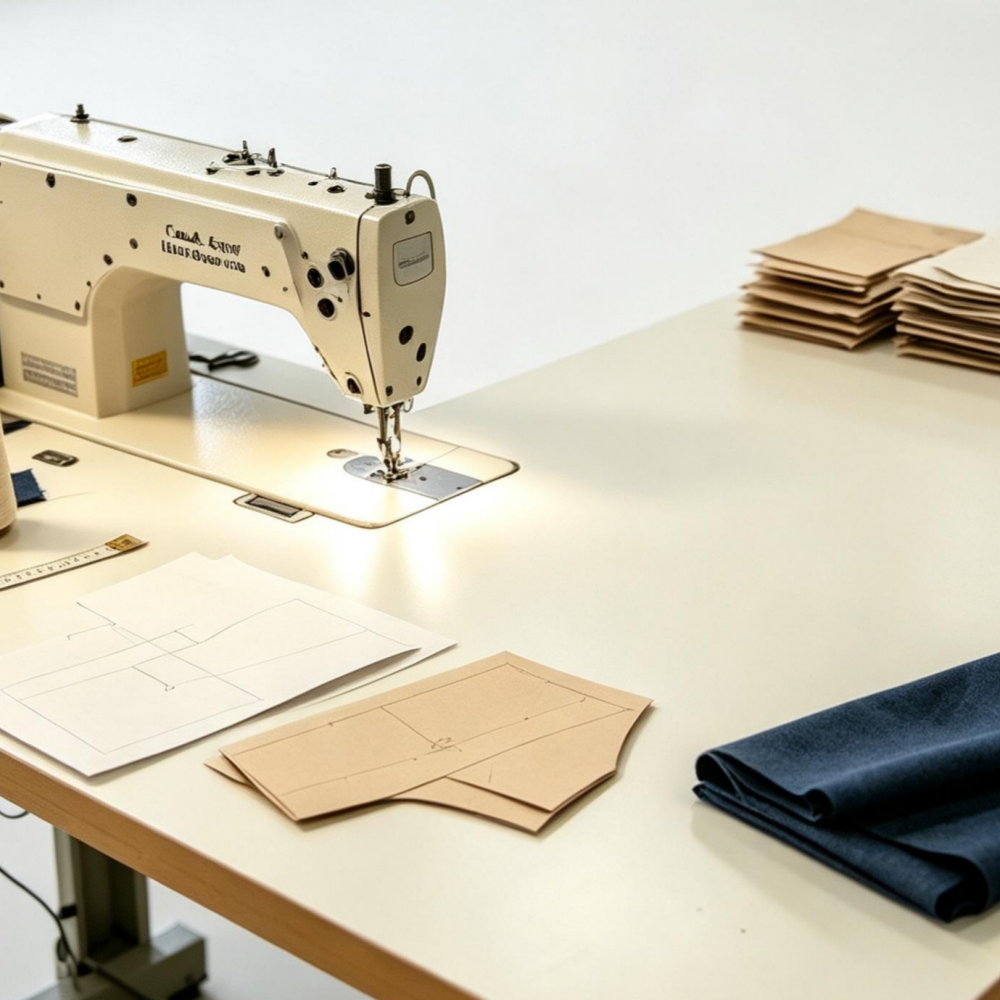
- Build niche positioning: activewear, home textiles, pet goods, kitchen essentials, beauty accessories — categories where quality and fast delivery matter. A professional custom apparel manufacturer in china supports small and medium fashion brands with low MOQ custom cut-and-sew production.
- Use social proof and creator marketing to highlight quality and customer support.
Final Thoughts
The new wave of import restrictions will not kill Shein, Temu or AliExpress. These platforms have deep supply chains and large marketing budgets, and they will continue serving millions of price-focused buyers.
What is ending is the unlimited ultra-cheap direct parcel era. The massive price gap that once made overseas platforms unbeatable is shrinking. For Western native brands, this is not a “free market giveaway”, but a rare window to compete on trust, speed, sustainability and customer experience.
Brands that stop fighting the race-to-the-bottom price war and sell value will be the biggest winners in this shifting landscape. Partnering with a qualified custom apparel manufacturer in china, such as vevapparel, is one practical way for emerging fashion brands to seize this market chance.
This post breaks down the new restrictions, who is affected, and the real opportunities (and limits) for homegrown brands
New tariffs, environmental rules and compliance obligations are pushing up the landed cost for these cross-border platforms. While these large marketplaces adapt their supply chains, many brand owners are searching for reliable partners. As a trusted china apparel manufacturer, vevapparel helps fashion brands navigate this shifting landscape. Working with an experienced custom apparel manufacturer in china lets brands balance competitive production costs while building higher-value products, and this opens up tangible space for local Western-owned DTC and retail brands.
CTA
What do you think? Will more shoppers shift to local DTC brands, or will Chinese cross-border platforms keep dominating budget shopping? Leave your thoughts in the comments.